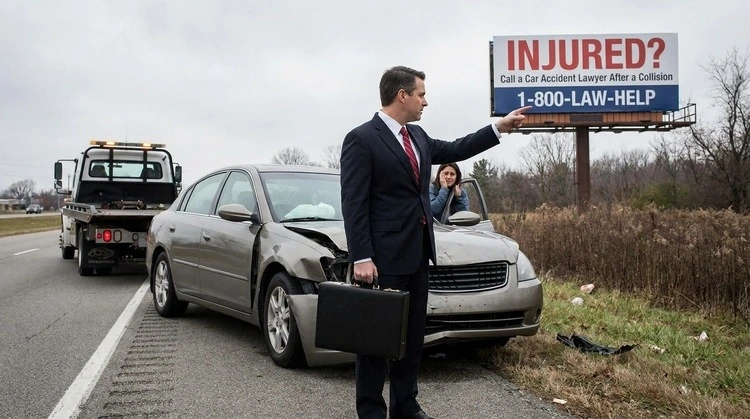
What to Do in the Days Following a Car Accident
A crash can leave injured people shaken, sore, and unsure about the next move. The first few days matter because medical records, vehicle damage, witness details, and insurance contact can shape a future claim. Clear steps help protect health, reduce confusion, and preserve facts before they fade. A calm plan also keeps families focused while doctors, repair shops, and insurers begin asking for information.

Protect the Claim Early
Early legal guidance can help injured drivers avoid recorded statements, missed deadlines, and rushed settlement offers. A California car accident lawyer may review crash facts, preserve evidence, and handle insurer calls while treatment continues. This support matters because traffic footage, witness memories, and road evidence can disappear within days after a serious collision.
Get Medical Care
Pain may appear hours later because stress can mask injury symptoms. Same-day care creates a record linking the collision with treatment. Doctors should check for head trauma, neck strain, back injury, internal bleeding, and joint damage.
Follow-up visits matter too. Missed appointments may give insurers room to argue that injuries improved or came from another cause.
Report the Collision
Police reports often document driver statements, road conditions, vehicle positions, and possible traffic violations. Injured people should request the report number before leaving the scene, when possible.
If officers do not respond, a report may still be required through state procedures. Accurate reporting helps build a timeline, especially when fault is disputed.
Save Scene Evidence
Photos should show vehicle damage, skid marks, debris, traffic signals, weather, license plates, and visible injuries. Wide shots and close views both help.
Dash camera clips should be backed up quickly because many systems overwrite files. Witness names, phone numbers, and nearby business locations may also help locate footage later.
Track Symptoms Daily
A simple symptom log can show how pain changes across mornings, workdays, sleep, and routine tasks. Notes should include headaches, dizziness, stiffness, numbness, anxiety, or limited movement.
This record should stay factual. Short entries tied to dates help doctors and legal teams see patterns without relying only on memory.
Handle Insurance Carefully
Insurers often call soon after a crash, sometimes before the full injury picture is known. Recorded statements can be used later in ways the speaker did not expect.
Claimants should avoid guesses about speed, fault, pain level, or recovery. They should also avoid broad medical releases that expose unrelated health history.
Avoid Social Media
Posts, photos, tags, and comments can be reviewed during a claim. A dinner photo or short update may be framed as proof that injuries are minor.
Privacy settings help, yet they do not remove risk. The safer step is to remain silent about the crash, treatment, activity level, and case status.
Organize Costs
Receipts and records should be kept in one folder. Useful items include emergency bills, prescriptions, therapy invoices, towing charges, rental costs, repair estimates, and mileage for medical visits.
Lost income records also matter. Pay stubs, employer letters, schedules, and benefit details can show how injuries affected earnings.
Watch Deadlines
Legal deadlines can affect the right to recover compensation. Government vehicle claims may have shorter notice periods than standard injury cases.
Injured people should confirm the timing early, especially when a city bus, a public employee, a dangerous road condition, or a public vehicle may be involved.
Keep Communication Simple
All crash-related messages should stay brief, accurate, and organized. Names, dates, claim numbers, and call summaries should be written down.
A clear paper trail reduces confusion later. It also helps prevent repeated conversations where statements may shift by accident.
Conclusion
The days after a car accident should focus on health, evidence, and careful communication. Medical care, photos, reports, witness details, expense records, and social media restraint can all affect claim value. Injured people do not need to solve every legal issue alone. A steady plan helps protect recovery while the facts are still fresh and while insurers begin reviewing liability, damages, and payment exposure.