Why Many Car Accident Settlements Fall Short of Actual Damages
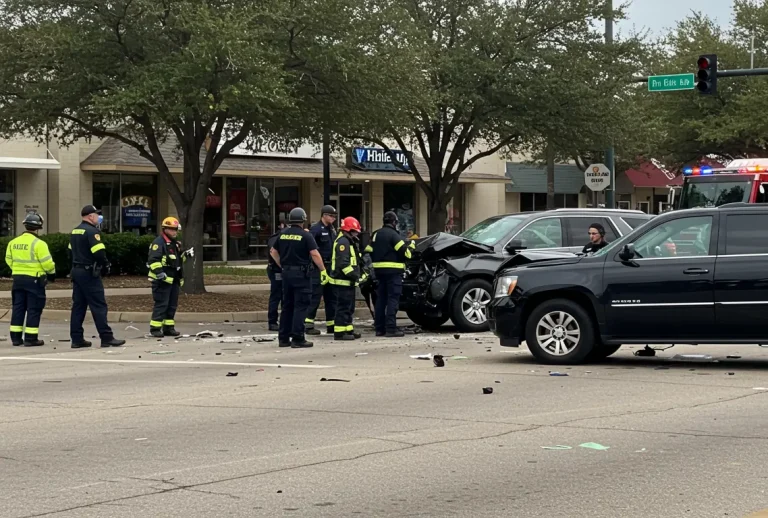
A settlement can look fair while leaving major losses unpaid. Emergency bills are visible, yet recovery often brings months of therapy, sleep disruption, nerve pain, and reduced earning ability. Insurers usually price claims before the body, mind, and household have shown the full strain. That mismatch explains why many injured people accept compensation that appears solid on paper but fails under real daily demands.

Early Offers Miss the Full Picture
Soon after a crash, many families seek guidance because early numbers rarely reflect the real medical and financial picture. A car accident lawyer in California can review treatment plans, wage loss, and probable future care before a release ends the claim. Fast offers often arrive before pain patterns settle, work limits emerge, or specialists can estimate what recovery may actually require.
Medical Costs Keep Growing
Ambulance transport and emergency imaging are often only the start. Soft tissue damage, disc injury, concussion symptoms, and joint inflammation may require follow-up visits for months. Prescription costs, physical rehabilitation, injections, and counseling can expand the bill long after the first demand is made. When an insurer counts only charges already received, later treatment is left outside the calculation.
Lost Income Is Often Undervalued
Missed paychecks tell only part of the story. Some injuries reduce lifting ability, concentration, grip strength, or sitting tolerance, which can cut hours or force lighter duties. Independent workers face a harder burden because income may rise and fall depending on the season. Adjusters often use narrow records that miss commissions, overtime, contract opportunities, or future advancement already placed at risk.
Pain Does Not Fit a Formula
Persistent pain changes how a person sleeps, drives, bends, cooks, and cares for children. Headaches, muscle spasms, tingling, and fear behind the wheel may continue even when scans look normal. Yet many insurers still use formulas tied loosely to medical spending. A rigid multiplier cannot capture disrupted routines, strained relationships, or the slow exhaustion that chronic symptoms place on ordinary life.
Fault Rules Can Cut Awards
California uses comparative fault, so compensation can shrink even where another driver clearly caused the collision. A small assigned share can remove a meaningful part of the claim. Insurers look closely at statements, photographs, and traffic conditions for support. Seat position, speed, phone use, or delayed braking may be raised to reduce payment, whether or not those points tell the full story.
Future Needs Are Easy to Overlook
Some conditions improve slowly, while others leave permanent restrictions. A damaged shoulder may limit overhead use for years. Cervical spine injury can produce recurring flare-ups that require periodic care. Future losses need physician opinions, work projections, and realistic cost estimates. Without solid medical support, insurers often discount ongoing therapy, home assistance, mobility devices, or later procedures that have not yet occurred.
Property Damage Can Distract From Injury
Repair estimates are easy to measure, easy to compare, and easy to close. Bodily harm moves differently. Pain may peak days later, and neurologic symptoms can emerge after the vehicle leaves the shop. Because car damage is visible, claim discussions can center on metal and paint rather than function, sleep, income, or the practical limits an injured person carries home.
Documentation Drives Value
Strong claims rely on records that connect symptoms, treatment, and loss. Progress notes, imaging reports, payroll data, and specialist opinions help translate harm into numbers. Daily journals can also show how pain interferes with walking, dressing, and concentration. When appointments are missed or paperwork is thin, insurers gain room to argue that the condition was minor, temporary, or unrelated to the crash.
Patience Often Protects the Claim
Pressure favors the paying side. Medical bills arrive quickly, income may fall, and families want the matter resolved. Still, value is easier to measure once treatment reaches a stable point and doctors can describe lasting limits. Waiting allows a clearer view of care needs, work restrictions, and symptom duration. That pause can prevent a premature release from closing the door on unpaid damage. Lawyers associated with Perez Law assist individuals across the state of California with car accident claims, including those involving ongoing medical treatment and long-term losses.
Conclusion
Many settlements fall short because real injury reaches far beyond the first invoice or repair estimate. Future care, reduced work capacity, chronic pain, and fault arguments can all push compensation down. Early releases and weak records make the gap wider. A fair result depends on timing, evidence, and a full medical picture. Without that broader review, a claim may end while serious costs still remain.