The Difference Between Comprehensive and Collision Coverage After a Wreck
You’ve just been in a crash. Now what?
Okay, so once the adrenaline subsides, you start to wonder…what part of my insurance policy is going to pay for this? Most people driving on the road don’t even know. They pay their monthly premium and never question what they’re actually purchasing.
Here’s the problem:
Knowing the difference between comprehensive and collision insurance is crucial when filing a claim. Claim Denied. Select the correct coverage, and your car will be repaired quickly.
Let’s clear it all up.
Here’s what’s inside:
- What Comprehensive Coverage Actually Covers
- What Collision Coverage Actually Covers
- Which One Pays After a Distracted Driving Accident
- How Your Deductible Fits Into All This
Why This Confusion Costs Drivers Money
Distracted driving causes a majority of accidents that lead to these claims. It isn’t getting any better either. In 20 24 alone, 3,208 people died in crashes involving distracted drivers. Hundreds of thousands more suffered vehicle damage and injuries.
Someone else is texting and driving and smashes into you. Now what? Whose insurance pays? What if they don’t have enough insurance? What if they drive off? These are the times when being extremely familiar with your insurance policy can really benefit you. If liability is disputed or the other driver is underinsured/uninsured, you may want to ask a Minneapolis car accident attorney before accepting an insurance company’s settlement offer. They handle distracted driving accident claims daily and are familiar with insurance companies’ tactics to pay claimants as little as possible.
Hold on, before we dive into any of that… Let’s talk about the two types of coverage that actually repair your car.
What Comprehensive Coverage Actually Covers
Think of comprehensive coverage as your “everything else” protection.
Coverage for when your car gets damaged, and you ARE NOT involved in a collision. Kinda confusing. The name makes you think it covers everything. It doesn’t.
Comprehensive coverage pays when your vehicle is damaged by non-crash-related incidents. These include:
- Theft or vandalism
- Fire and storm damage
- Falling objects (like a tree branch)
- Hitting an animal, like a deer
- Hail, flooding, and other weather events
Good news for your wallet: Comprehensive is less expensive than Collision. Nationwide averages about $426 per year for comprehensive coverage. Typically, comprehensive will cost you less than collision since the risks are lower.
FYI – Comprehensive claims generally increase your rates less than collision claims. The reason is that they are not your fault. No one’s fault for hail damage.
What Collision Coverage Actually Covers
Now, this is the one that matters most after a wreck.
Collision coverage will pay to repair your car if you collide with something. The “something” can be another car, guardrail, tree, mailbox or pothole. Collision coverage will also pay if you roll your car in a single-vehicle accident.
The tricky part…Collision coverage will pay even if you caused the accident. So let’s say you got rear-ended by someone who was texting and driving. If their insurance is being difficult, you can file a claim with your own collision coverage to get your car repaired immediately.
You’ll pay your deductible. Then your insurance company pays as much as your car is worth.
Collision covers more than comprehensive. That’s due to collisions occurring more frequently and being generally more serious than a falling tree branch on your hood. The downside is worth it if you don’t have the money to repair your car.
Which One Pays After a Distracted Driving Accident?
This is where most drivers get confused, so let’s break it down simply.
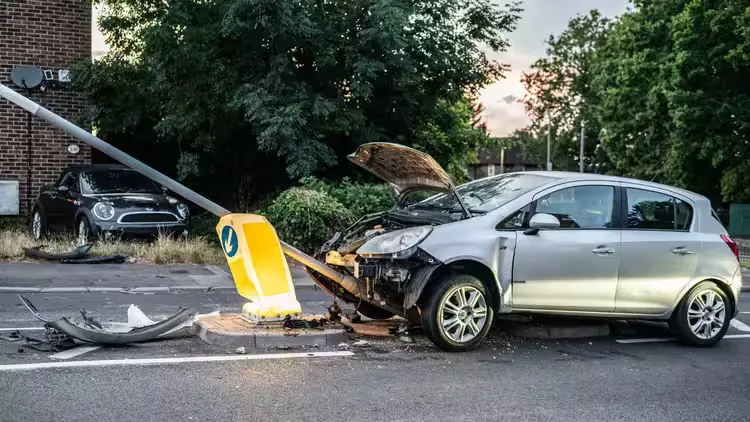
Let’s say a distracted driver rear-ends you and they are liable. Their liability insurance will pay for your damages first; that is the ideal scenario. But life isn’t always ideal.
Here’s what happens in the real world:
- The other driver denies fault, so their insurer stalls
- The other driver doesn’t have enough coverage to pay for everything
- The other driver has no insurance at all
So whatever happens in any of these scenarios, your collision coverage kicks in and helps cover repairs to your car while the blame battle wages on. That’s why collision coverage is helpful even when it’s not your fault.
Side note: distracted driving wrecks are prime examples of crashes where fault can get complicated. Insurance adjusters are aware of this – distracted driving crashes are extremely prevalent. To put it in perspective, a whopping 315,167 people were injured in crashes caused by distracted drivers in 20.
Comprehensive coverage will rarely, if ever, apply in a wreck with another vehicle. Remember, comprehensive coverage covers the non-collision stuff. So if you wreck, you’ll want collision coverage.
How Your Deductible Fits Into All This
You can’t talk about either coverage without talking about deductibles.
Your deductible is what you pay before your insurance payment is made. For example, if you have a $500 deductible and $5,000 in repairs, you’ll pay $500, and your insurance will pay $4,500.
Here’s something worth knowing:
The higher your deductible, the lower your monthly premium will be. The lower your deductible, the higher your monthly premium will be. While most drivers choose the same deductible amount for both comprehensive and collision, you’re not required to.
Comprehensive is less expensive, so many folks will take a lower deductible on that coverage. Then they increase the deductible on collision to further lower their premium. It’s an easy way to save.
Don’t CUT these coverages just to save a few dollars. That’s how people find themselves in a jam when they actually get in an accident.
Bringing It All Together
Well, that’s settled then. Here’s the difference between comprehensive and collision coverage in one sentence:
Was your car damaged in a crash, or something else?
If someone crashed into you, collision coverage covers it. Comprehensive coverage covers theft, weather, or animals. Here’s a quick rundown:
- Comprehensive = non-crash damage (cheaper, rarely your fault)
- Collision = crash damage (pricier, pays regardless of fault)
- Deductible = what you pay before insurance covers the rest
Collision coverage often takes center stage after a distracted driving collision. It helps you get back on the road quickly, even when dealing with an unreasonable insurance company.
Did you know that one of the best things you can do as a driver is to read your policy BEFORE you are in a wreck? Know what you are paying for. If you ever find yourself stuck in a dispute over fault or a claim that was paid too low, seek assistance. Protect yourself today. You never know when you might need it tomorrow.