Paramus’s Sunday Blue Law effect: How weekend traffic patterns impact accident liability
Paramus’s strict Sunday Blue Laws close most retail stores, dramatically altering local traffic patterns every weekend. These changes can have an unexpected effect on the risks and liability associated with car accidents in the area. Understanding the relationship between these unique traffic shifts and accident responsibility is essential for drivers and insurers in Paramus and across New Jersey.
When Sunday arrives in Paramus, the landscape transforms as shopping centers become quiet and main routes see reduced congestion. However, altered driving behaviors, unfamiliar traffic flows, and the presence of out-of-town visitors introduce new risks. Paramus car accident lawyers frequently observe how the Sunday Blue Law changes the typical pattern of incidents and impacts how liability is determined after weekend crashes. Recognizing these effects can help both residents and visitors make informed decisions about safety and responsibility while driving through Paramus on Sundays.
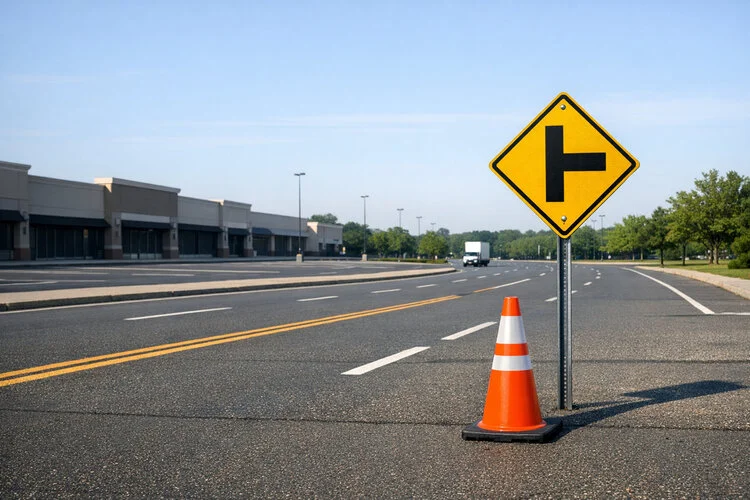
How the Sunday Blue Law changes weekend traffic dynamics
The Paramus Blue Law, among the last of its kind in New Jersey, closes non-essential retail on Sundays, drastically reducing retail-driven vehicle volume. Roadways that are packed with shoppers on Saturdays can become almost unrecognizable on Sunday mornings. Main arteries leading to malls and shopping centers may be quieter, but alternative routes, or local roads used by those still out and about, often see subtle increases in traffic as drivers seek different destinations.
This unexpected shift alters the risk landscape. Drivers accustomed to weekday and Saturday congestion may travel faster on open stretches, while unfamiliar visitors may navigate local streets more slowly or unpredictably as they adjust to closures. These factors combine to create distinct traffic conditions, especially around Mall Road, Route 17, and nearby neighborhoods.
Beyond the immediate reduction in shopping traffic, the Sunday Blue Law also influences the behavior of commercial vehicles and delivery services in the area. Trucking routes that typically avoid Paramus on busy retail days may redirect through the borough on Sundays, taking advantage of reduced congestion. This creates an unusual mix of light passenger vehicle traffic and heavier commercial vehicles on roads that might otherwise be dominated by retail shoppers. The presence of larger trucks on residential streets or secondary routes can introduce additional hazards, particularly at intersections where visibility may be compromised. Understanding these shifting patterns helps explain why certain types of accidents, such as blind-spot collisions or turning incidents involving commercial vehicles, may occur more frequently on Sundays despite overall lower traffic volumes.
Effects on accident risks and liability determination
The unique weekend pattern in Paramus means that the context for car accidents changes substantially compared to typical retail days. With traffic volumes lower and road use patterns different, common accident scenarios shift as well. For example, side streets may see more through traffic while major arteries remain quiet, leading to collisions in less predictable locations.
When determining liability after a Sunday crash, insurers and attorneys often consider whether drivers exercised additional caution related to changed road use. Speeding on uncongested stretches or misjudging right-of-way in an area that is normally busier might shift responsibility. Witness testimony and evidence that highlight the influence of the Blue Law’s restrictions on driver behavior frequently play a role in claims and dispute resolution.
What drivers should watch for on Sundays in Paramus?
Motorists unfamiliar with the local Blue Law may be caught off guard by closed shopping complexes and altered navigation routes. Residents, meanwhile, may feel emboldened by lighter traffic and inadvertently drive at higher speeds or with less caution. Awareness of these tendencies is crucial for avoiding unnecessary risks and misunderstandings regarding accident liability.
Drivers should plan routes in advance and stay aware of the unique environment created by the Blue Law. Being mindful about increased out-of-town traffic, remaining attentive at intersections, and maintaining safe speeds are all necessary precautions. In the event of a collision, recognizing how local traffic patterns inform liability can help guide effective communication and documentation, especially when consulting resources such as Varcadipane & Pinnisi.