Car Maintenance Before a Cross-Country Drive
A cross-country drive is one of the most demanding things you can put a car through. Long-distance driving comes with varying highway speeds, terrain, and climates. The gap between a car that looks road-ready and one that actually is shows up at the worst possible times.
Whether you are driving a newly purchased car home or preparing your own vehicle for a long trip, there are specific car maintenance tips to keep in mind before you leave for your destination.
Why the Drive Home from a Long-Distance Car Purchase Deserves Its Own Plan
If you buy a vehicle out of state and plan on driving it back to your home, one thing you may not be considering is that you have a limited history with a newly purchased out-of-state car. A car that passed inspection at low speed may behave differently at sustained highway speeds.
Missing or inconsistent service records signal deferred maintenance the seller didn’t disclose. It’s important to be prepared for that possibility before you take your newly purchased vehicle across state lines.
Elevation, temperature, and road conditions between states stress parts of the vehicle that the previous owner may never have encountered. If something breaks in an unfamiliar area, towing, hotel, and repair in an unknown market costs add up fast.
Mileage Wear and Road Risk Weighing on Your Purchase Decision
Every mile driven home from the pickup spot is added to the odometer of a car you may have paid a premium for. For a car with 60,000-80,000 miles, a 2,500-mile drive adds 2-4% to your odometer. This may be manageable for a driver, but it still should be considered.
For specialty vehicles or cars purchased specifically for their condition, it is a calculation worth making carefully before you decide whether to drive or use a cross-country car shipping service. For a low-mileage car under 30,000 miles, that same drive represents an 8% or greater increase, which is meaningful for resale value. The increase can also influence insurance and warranty classifications.
Road risk also increases with your vehicle’s age and condition. A well-maintained late-model car carries far less breakdown probability per mile than one with high original mileage or a spotty service history.
Weather routing also is important. Driving a rear-wheel drive vehicle home through late-season mountain passes or along flood-prone coastal routes could increase the risk to your vehicle.
Often, when you do the math to include towing, hotel stays, diagnosis, and out-of-market labor, the cost to break down mid-route often exceeds what enclosed auto transport would cost you.
What to Check Before Deciding to Ship or Drive: A Car Maintenance Checklist
Before you pull out of the parking lot to drive home with your newly purchased vehicle, do a brief overview of the vehicle using this car maintenance checklist.
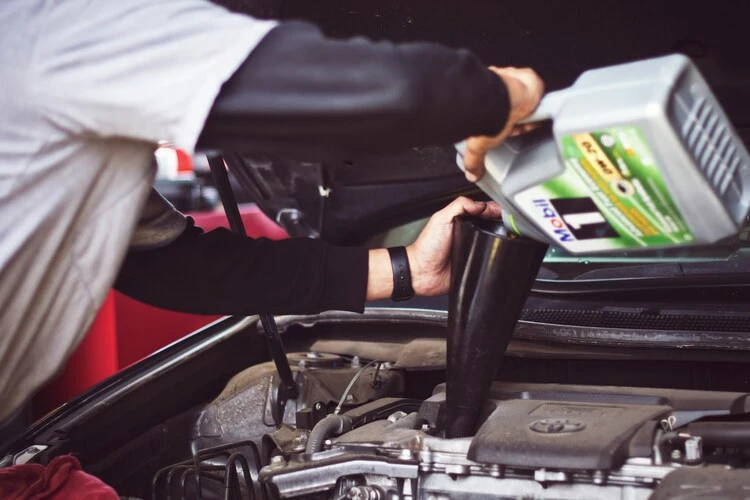
· Engine oil level and condition. If a change is due within 1,500 miles, do it before you leave.
· Coolant level and concentration. Check your hoses for softness and cracking.
· Brake pad thickness and rotor condition. Highway driving plus descents are harder on brakes than city stop-and-go driving.
· Tire tread, pressure, and spare. Check for uneven wear, indicating any alignment issues you may not have noticed or been aware of during the purchase.
· Battery load test. A battery that works fine in moderate temperatures can fail in extreme heat or cold conditions.
· Transmission fluid color and smell. Dark or burnt fluid is a warning sign in any vehicle.
If the checklist comes back clean, driving is probably a reasonable choice. However, if there are multiple areas where attention is needed, that is important information. Reviewing how professional auto transport carriers structure their services before ruling shipping out is worth the time when the checklist gives you pause.
How to Prepare Your Vehicle if You Do Decide to Drive
If the checklist clears and driving makes sense for your situation, a few additional steps meaningfully reduce the probability of problems on the road.
First, pack a basic roadside kit before you leave; it should include jumper cables or a portable jump starter, a tire inflator, basic hand tools, emergency triangles, and a flashlight. These add minimal weight and significant peace of mind. Save the number for AAA or download your vehicle manufacturer’s roadside assistance app before departure, not after a breakdown when you are standing on the side of the highway in an unfamiliar state.
Plan fuel stops within a 50-mile buffer rather than running the tank low; some stretches of interstate in the Mountain West and rural South have long gaps between stations, and fuel quality can also vary by region.
Finally, build in a rest stop every two hours regardless of how you feel. Driver fatigue is the most consistently underestimated risk on any long drive, and it affects every decision you make about the vehicle’s behavior along the way.
What to Expect From Cross-Country Car Shipping If You Choose Not to Drive
For buyers and owners who decide that shipping makes more sense than driving, understanding how the process works reduces uncertainty and sets realistic expectations from the start.
Open vehicle carriers are the standard and most cost-effective option for most passenger vehicles. The car rides on an uncovered multi-vehicle trailer and is exposed to weather and road debris during transit. That is acceptable for most daily drivers, less ideal for vehicles where surface condition matters. Enclosed auto transport provides full protection from weather, debris, and temperature exposure, and is an appropriate choice for classic cars, low-mileage vehicles, or any car where condition is a priority.
Before booking with any carrier, use the Federal Motor Carrier Safety Administration (FMCSA) database to verify the company’s licensing and insurance status. This does take a few minutes, but it confirms you’re working with a verified and legitimate vehicle shipping company.
Conclusion
A cross-country drive or shipment goes smoothly when preparation matches the actual condition of the vehicle, not the condition you hope it is in. Running an honest pre-trip maintenance check and being willing to act on what it reveals is the most reliable way to get any car from one coast to another without a story you would rather not have to tell.