6 Pieces of Evidence That Can Make or Break a Crash Case
Tuscaloosa sees a steady stream of car accidents year-round, not just on game days. McFarland Boulevard, Skyland, and the stretches of I-20 and I-59 running near the city handle a lot of traffic for a place this size. Add in college students rushing between classes, delivery drivers on tight schedules, and visitors who don’t know the local roads, and the chances of a serious wreck go up quickly. Most people who get into one assume the case will be straightforward. The other driver was clearly wrong; the damage is obvious, so the insurance should pay. Real cases rarely move that simply.
What actually decides a crash case is the evidence, and not all evidence carries the same weight. A good car accident lawyer in Tuscaloosa will tell you that some pieces hold up under pressure and some fall apart the moment they’re tested. Knowing which is which can change how a case is built from the start and what someone does in the hours right after the crash.

1. The Police Report
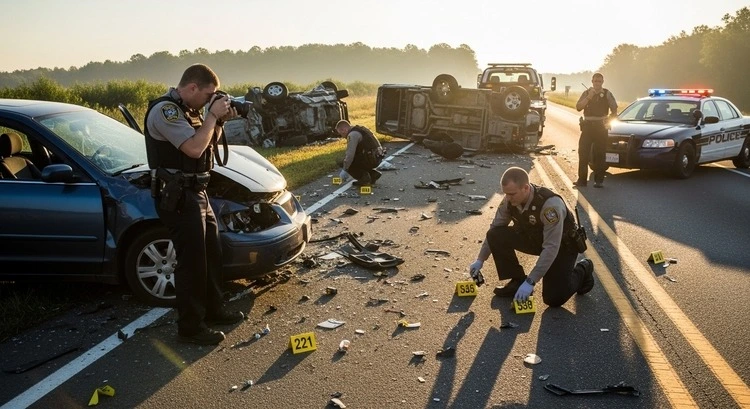
This is one of the primary and most important pieces of evidence. The responding officer jots down everything they see at the scene, including details of the crash, what the drivers say, and what witnesses tell them. Why does this report carry so much weight? Because it is an objective account of the incident made by a third party.
A useful police report usually includes:
- The location, time, and weather conditions
- A diagram or description of how the crash happened
- Statements from each driver
- Witness names and contact info
- Any citations issued at the scene
2. Photographic Evidence
Photos and videos help clarify many things and serve as strong evidence. If an individual prioritizes recording crucial details at the scene, it can save them from later arguments. However, the key is to record more than just a dented bumper. Take wide shots showing the vehicle’s position; record damage, skid marks, road conditions, traffic signs, and lane markings. Basically, anything that could have played a role in the accident.
Individuals should also try to collect dashcam, security camera, and other footage to strengthen their claim.
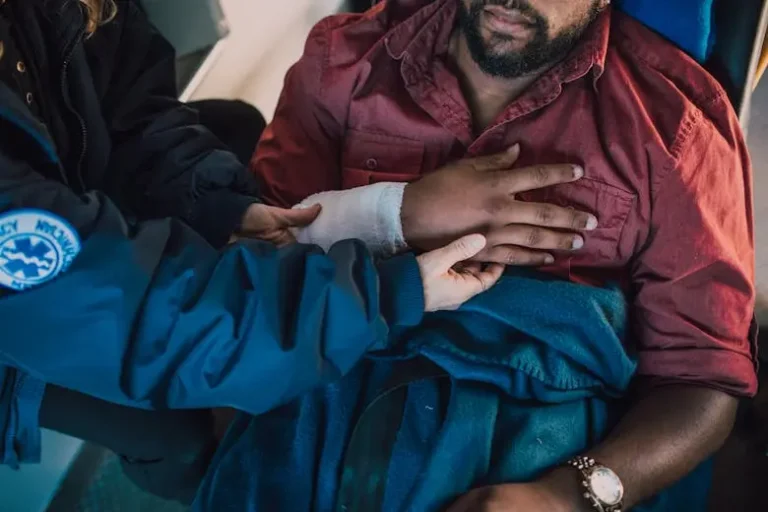
3. Medical Records From the Right Time Frame
The timing of medical care matters as much as the care itself. If there’s a long gap between the accident and the first doctor visit, insurance companies use that gap to argue the injuries came from something else.
Strong medical evidence should include:
- A visit within a day or two of the crash
- Notes that clearly tie the injuries to the accident
- A consistent treatment history without long gaps
- Specialist referrals, if necessary
- Imaging, like X-rays or MRIs
A clean medical timeline is one of the most quietly powerful tools in any injury case.
4. Witness Statements
Witnesses can shift a case in a way nothing else can. A driver and a passenger from the other car will always have their own version of events. A bystander with no stake in the outcome carries a different kind of weight.
Good witness statements tend to share a few things:
- The person actually saw the crash, not just the aftermath.
- Their account is consistent across retellings.
- They have no personal connection to either driver.
- They’re willing to be reached later if needed.
- Their details match the physical evidence.
Getting names and numbers at the scene is critical. People scatter quickly, and tracking them down later is much harder.
5. Vehicle Damage and Repair Records
The damage to the vehicles tells its own story. Accident reconstruction experts can examine where the impact occurred, how deep it went, and in what direction it came from to figure out what really happened.
Helpful documentation includes:
- Repair estimates from licensed shops
- Photos of the damage before any repairs start
- Records of any prior damage to the same vehicle
- Total loss valuations if the car is written off
- Notes on airbag deployment or structural damage
These records also matter for the property damage side of the claim, which is often handled separately from the injury claim.
6. Cell Phone and Driving Records
This one surprises people. In serious cases, what the other driver was doing in the moments before the crash can become central to the case. Phone records can show texting or calls. Driving history can show a pattern. It can reveal phone usage seconds before impact, prior similar behavior, black-box data, and more.
Getting access to this kind of evidence usually requires a lawyer, and often a subpoena, but it can completely change the value of a case.
Final Thoughts
Crash cases aren’t won by the side that tells the better story. They’re won by the side with the better evidence. The drivers who end up with fair outcomes are usually the ones who acted quickly, gathered what they could at the scene, and brought in legal help before the trail went cold. Evidence has a short shelf life, and once it’s gone, no amount of arguing can bring it back.