Why Jackknife Crashes Are So Dangerous, and What You Can Do About It
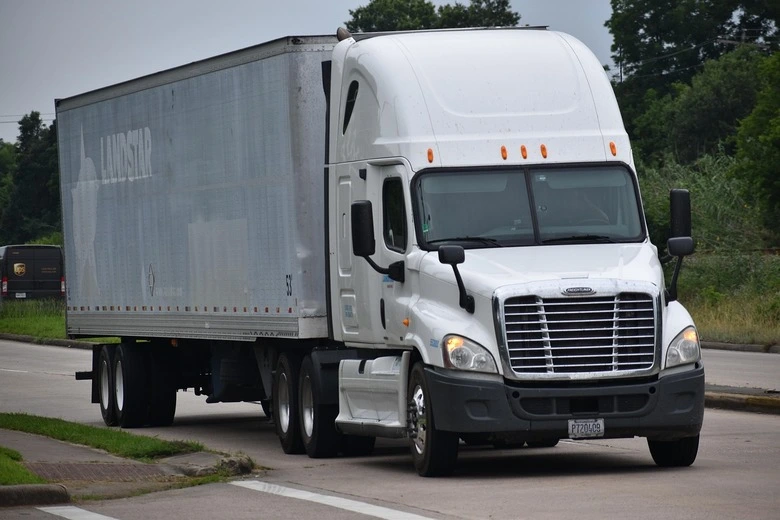
Jackknife crashes occur when the trailer on a truck swings out to make an acute angle with the cab, much like a folding knife. Such incidents can shut down entire highways and frequently happen in a matter of seconds. The outcomes are sometimes disastrous due to the size and weight of commercial trucks.
According to federal regulation, an 18-wheeler can weigh up to 80,000 pounds. When that mass loses alignment, the vehicles around it have almost no time to escape. Data from 18-wheeler jackknife accidents show how quickly these collisions escalate into complex legal and safety issues. Understanding why they are so dangerous helps drivers reduce preventable harm.
Why Are Jackknife Crashes So Dangerous?
Jackknife accidents create immediate, widespread hazards that affect more than one vehicle. Their unpredictability is what makes them deadly. They can cause:
- Sudden Loss of Control
When a trailer swings outward, it can block multiple lanes in seconds. Drivers approaching from behind or from the side often have no clear path to avoid an impact.
- High Risk of Multi-Vehicle Pileups
Because highways carry fast-moving traffic, one jackknifed truck can trigger chain-reaction crashes. Vehicles may collide with the trailer, each other, or roadside barriers.
- Severe Injuries Due to Weight
The extreme weight of a commercial truck magnifies the forces in a crash. Even small passenger cars can sustain devastating structural damage in an impact.
- Limited Reaction Time
A trailer can pivot abruptly during hard braking or slippery conditions. Nearby drivers typically have only a split second to respond.
- Greater Likelihood of Rollovers
Once the trailer swings wide, the truck may overturn. Rollovers increase the chances of crushing injuries and fuel spills.
- Cargo Shifts Intensify Impact
Unsecured or shifting cargo can cause a trailer to become imbalanced. Federal cargo securement rules require proper loading, yet violations persist.
- Complex Emergency Response
Blocked lanes, hazardous materials, and trapped occupants complicate rescue efforts. Emergency responders may need heavy equipment to clear the scene safely.
What Causes a Truck to Jackknife?
Several factors contribute to jackknife crashes, many of which involve violations of safety regulations. Such as:
- Improper Braking
Sudden or uneven braking can cause wheels to lock. Anti-lock braking systems reduce this risk, but equipment failure or poor maintenance undermines their effectiveness.
- Speeding in Poor Conditions
Wet pavement, ice, or loose gravel reduces traction. Federal regulations require commercial drivers to adjust their speed based on weather conditions.
- Driver Fatigue
Hours-of-service rules limit how long truck drivers can operate without rest. Fatigue slows reaction times and impairs judgment.
- Mechanical Failures
Worn tires or faulty brakes increase stopping distance. Regular inspections are mandatory under federal law.
What Can You Do to Reduce Your Risk?
While truck drivers and carriers may follow strict regulations, passenger vehicle drivers also play a role in staying safe. By:
- Maintain a Safe Following Distance
Leave extra space behind large trucks. A greater distance gives you more time to react if the trailer swings.
- Reduce Speed in Bad Weather
Rain and snow increase stopping distances. Slowing down improves control and reaction time.
- Watch for Warning Signs
Trailer sway, abrupt braking, or drifting within a lane may signal instability.
- Maintain Your Own Vehicle
Make sure your tires and brakes are in good condition. Proper maintenance improves your ability to maneuver.
- Follow Defensive Driving Practices
Obey traffic laws and stay alert. Avoid distractions that reduce awareness of surrounding traffic.
Why Immediate Action Is Important Following a Jackknife Accident
Prompt action protects both health and legal rights. Severe injuries may not show symptoms immediately, especially after high-impact collisions. Timely reporting also ensures accurate documentation of the crash scene.
Key Takeaways
- Jackknife crashes occur when a trailer swings outward, creating a sharp angle with the cab.
- These accidents often block multiple lanes and trigger multi-vehicle pileups.
- The weight of commercial trucks increases the severity of injuries and fatalities.
- Federal regulations require safe loading, inspections, and speed adjustments.
- Immediate action after a crash helps protect both medical recovery and legal rights.