Jacob Swann Car Accident: A Tragic Catalyst for Teen Driving Reform
The morning of May 27, 2025, began like any other for the students of Lenape High School. The air was filled with the nervous excitement of upcoming graduations and the promise of summer. However, that brightness faded instantly when news of Jacob Swann’s death began to circulate. A single moment on a New Jersey roadway didn’t just take a life; it reignited a national conversation about the safety of our youngest drivers and the devastating reality of high-impact collisions.

Decoding the Jacob Swann Vehicle Collision: What Happened on May 27, 2025?
The specifics of the incident are as chilling as they are straightforward. Jacob Swann, an 18-year-old senior, was traveling with friends in a Honda Civic. As they moved through the afternoon traffic, their lives intersected with a massive tractor-trailer in a way no one could have predicted.
The Route 31 Incident: Mapping the Fatal Collision Path
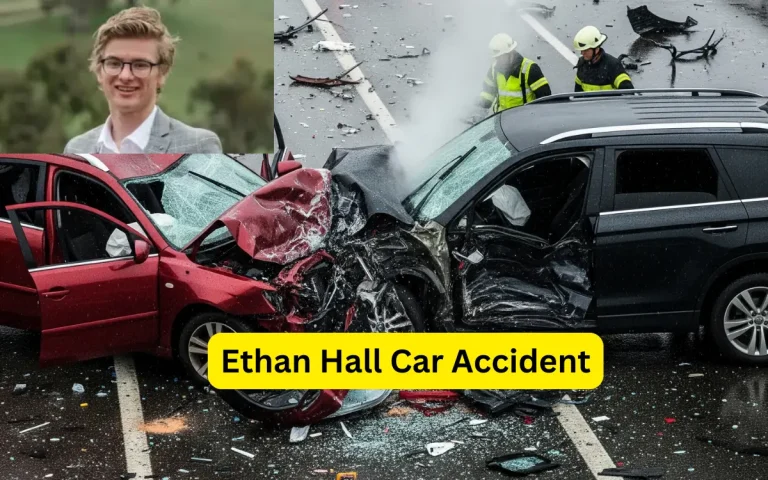
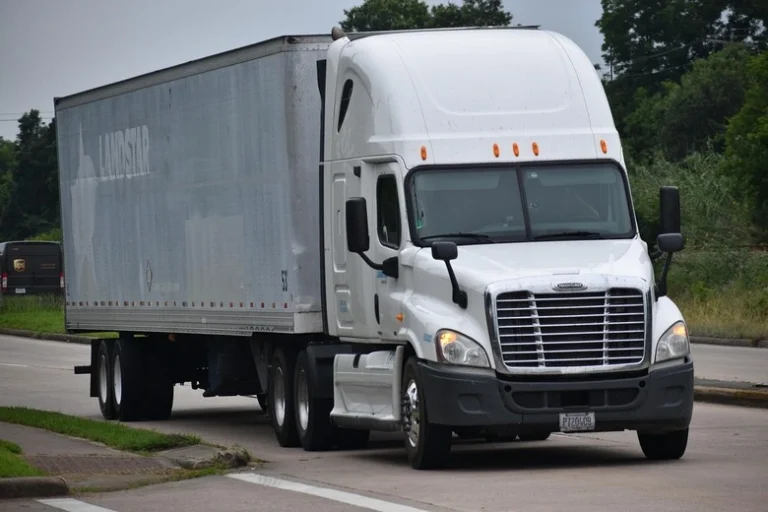
The crash occurred on Route 31, a stretch of road known for steady traffic, specifically between Titus Mill and Hopewell Pennington roads. For reasons still under scrutiny, the Honda Civic was heading south when it deviated from its lane. In an instant, the small passenger car crossed the center line. This maneuver placed it directly in the path of a northbound tractor-trailer.
Key Timeline: From a “Bright and Happy Day” to a Community Tragedy
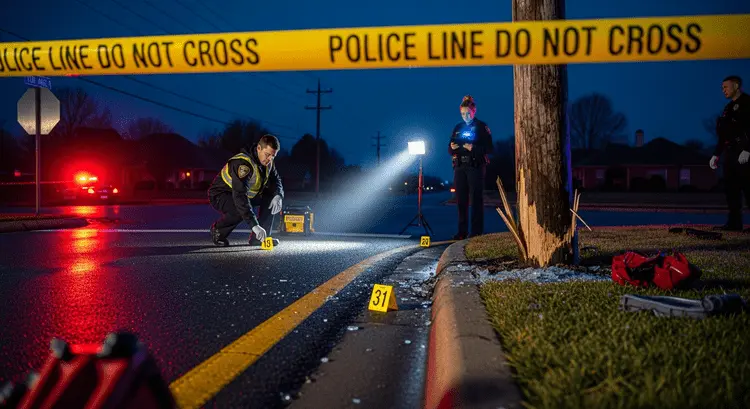
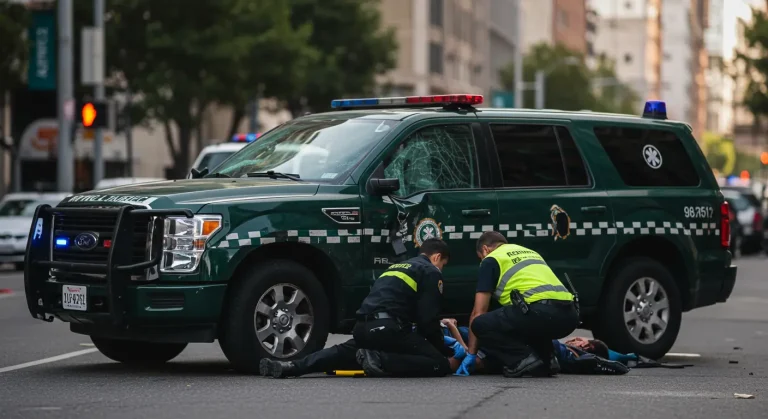
Disaster doesn’t always wait for bad weather or dark nights. This collision happened in broad daylight. At approximately 2:00 PM, emergency services received frantic calls regarding a heavy-impact crash in Mercer County. By the time help arrived, the scene was one of total devastation. The “Class of 2025” was just days away from their milestone celebration, making the timing of this loss particularly soul-crushing for the Mount Laurel community.
Identifying the Vehicles: The Honda Civic vs. The Tractor-Trailer
In any collision involving a passenger vehicle and a commercial truck, the laws of physics are unforgiving. The Honda Civic, a popular choice for teen drivers due to its reliability, was simply no match for the sheer mass of a tractor-trailer. When these two entities meet head-on, the smaller vehicle absorbs nearly all the kinetic energy. This massive disparity in weight and force is why such accidents almost always result in catastrophic outcomes for those in the smaller car.
The Investigation: Who Was Responsible for the Crash?
Whenever a young life is lost, the immediate question is “why?” Investigators from the Hopewell Township Police and Mercer County officials spent weeks piecing together the evidence left on the pavement.
Mercer County Prosecutor’s Office and Hopewell Township Police Reports
The official reports focused on the final seconds before the impact. While initial rumors on social media speculated about various causes, the police focused on tire marks and vehicle positioning. Their findings confirmed that the Civic had indeed left its lane.
The Mechanics of the Accident: Lane Departure and the Center Line Crossing
“Lane departure” sounds like a technical term, but in reality, it often means a split-second of lost focus. Whether it was a steering overcorrection or a momentary lapse in attention, the Civic crossed the center line—a boundary that usually separates life from death on high-speed NJ routes. Similar patterns of sudden, unexplained lane shifts are often seen in other tragic reports, such as the Rachel Stone car accident, where a single moment of redirected focus changed everything.
Evaluating External Factors: Road Conditions vs. Driver Behavior
Was the road slick? Was there a mechanical failure? Investigators looked at everything. However, on May 27, the roads were dry and visibility was clear. This led experts back to the human element. In teen driving cases, “behavior” doesn’t always mean “recklessness.” It often refers to a lack of experience in handling a vehicle when it starts to drift, a skill that usually takes years of behind-the-wheel time to master.
Beyond the News: Jacob Swann’s Legacy and Unfulfilled Dreams
Jacob wasn’t just a name in a police report; he was a son, a friend, and a student with a clear path forward.
From Lenape High School to The College of New Jersey (TCNJ)
Jacob was an achiever. He had already secured his future, with plans to attend The College of New Jersey (TCNJ) in the fall. He represented the best of Lenape High School, known for his bright personality and academic dedication. The tragedy lies in the fact that his seat at TCNJ remained empty, a silent reminder of a future stolen by a few feet of drifted asphalt.
The “Class of 2025”: A Graduation Shadowed by Loss
Graduation is supposed to be a rite of passage. For the Lenape Class of 2025, the ceremony was marked by an empty chair and a heavy silence. The community of Mount Laurel came together, but the usual cheers were replaced by tears as students wore ribbons in Jacob’s honor.
Public Reaction and the Jacob Swann Funeral Tributes
The funeral saw hundreds of mourners, many of them teenagers facing the reality of mortality for the first time. The tributes painted a picture of a young man who was the “glue” of his friend group. This public outpouring of grief served as a stark reminder that when a teen dies behind the wheel, the ripples of pain extend through schools, sports teams, and entire neighborhoods.
The Physicality of Trauma: Jacob Swann’s Experience and Injury Mechanics
Understanding what happens during a crash is vital for safety advocacy. It helps us realize that no amount of modern car safety can fully counteract the violence of a head-on hit.
Understanding High-Velocity Deceleration and Force Transfer
When a car moving at 50 mph stops instantly because it hits an oncoming object, the bodies inside keep moving at 50 mph until they hit the dashboard or seatbelt. This is “deceleration trauma.” In Jacob’s case, the stop was so violent that the energy transfer was more than the human frame could withstand.
Common Injuries in Head-On Collisions: TBIs and Internal Hemorrhaging
The most common cause of death in these scenarios is a Traumatic Brain Injury (TBI). Even without a direct hit to the head, the brain can slam against the skull. This often leads to internal bleeding that is impossible to treat at the scene. This biological reality is a common thread in many fatal crashes, including the high-profile Luther Vandross car accident, where the physical toll of a collision left lasting impacts on those involved.
The Recovery Phase: How the Survivors Navigated Life-Altering Injuries
While Jacob succumbed to his injuries, his classmates in the car faced a different kind of nightmare. Survival doesn’t mean “unscathed.” The survivors of the Jacob Swann car accident faced months of physical therapy and psychological counseling. The path to “normal” is long and paved with surgeries and trauma recovery, a journey that mirrors the long-term struggle seen in the Bridget Skibsted accident, where the aftermath of a crash lasted far longer than the event itself.
Comparative Case Studies: Why Some Accidents Resonate Globally
Tragedies like the Jacob Swann collision rarely remain isolated incidents. They become part of a larger, tragic tapestry of road history that researchers and safety advocates study to prevent future loss. When a young, promising life is cut short, it forces a comparison with other notable incidents to find patterns in how we can better protect drivers.
Tracing the History of Tragic Road Fatalities
Road safety has come a long way, yet the “human factor” remains the most difficult variable to control. From the early days of automotive travel to the high-tech environment of 2026, the mechanics of a fatal mistake haven’t changed much. Whether it is a mechanical failure or a momentary lapse in judgment, the result is a permanent shift in a community’s landscape.
Lessons from High-Profile Incidents: From Ashleigh Boyd to Public Figures
The Jacob Swann case drew immediate parallels to other local tragedies, such as the Ashleigh Boyd accident, because of the shared demographic and the suddenness of the event. Even when looking back at historical events involving public figures, the lessons remain the same. The details of the Luther Vandross car accident remind us that road safety doesn’t discriminate based on fame or status; a single moment of lost control is all it takes to change the course of history.
How Sudden Loss Reshapes Safety Advocacy
Following Jacob’s passing, the Mount Laurel and Lenape communities didn’t just mourn; they mobilized. Loss often acts as a catalyst for advocacy. Families and schools begin pushing for better signage, stricter licensing laws, and more comprehensive driver education. This transition from grief to action is what eventually leads to safer roads for the next generation.
The Epidemiology of Teen Driving: Statistics and Risk Factors
To understand why Jacob’s accident was so “alarming,” we have to look at the cold, hard numbers provided by traffic safety experts. Teenagers are in a unique developmental stage where their confidence often outweighs their technical skill behind the wheel.
NHTSA Data: Why 18-Year-Olds are at a Critical Driving Juncture
The National Highway Traffic Safety Administration (NHTSA) points to age 18 as a high-risk year. At this age, many teens have moved past their “learner’s permit” phase and feel a sense of mastery over the vehicle. However, their ability to anticipate hazards—like a truck suddenly appearing or a car drifting into their lane—is still far below that of an adult with ten years of experience.
The 2.5x Risk Factor: How Passengers Influence Teen Driver Decisions
One of the most startling statistics in teen driving is the “passenger effect.” Research shows that having even one fellow teenager in the car increases the risk of a fatal crash by 2.5 times. It isn’t always about “partying” or “recklessness”; it’s simply the presence of peer interaction that creates a subtle, yet deadly, distraction.
Distracted Driving Trends: Phone Usage and “Invisibility” in Traffic
Distraction is the leading cause of lane-departure accidents. While we don’t know the exact distraction in the Jacob Swann case, we do know that at 55 mph, looking at a phone for five seconds is the equivalent of driving the length of a football field while blindfolded. This “blind driving” is a major factor in school-related transportation risks, similar to the heartbreaking circumstances found in the Rachel Stone car accident reports.
Expert Advice for Avoiding Tragedies Like This
Experts agree that while we cannot eliminate human error, we can create layers of protection that act as a safety net when those errors occur.
NTSB Recommendations: The Three-Phase Graduated License (GDL) Law
The National Transportation Safety Board (NTSB) advocates for Graduated Driver Licensing (GDL). This system slowly introduces young drivers to high-risk situations—such as night driving or carrying multiple passengers—only after they have proven competence in lower-risk environments.
Parental Intervention: Setting the Standard for Safe Driving Habits
Parents are the first and most influential driving instructors. Experts suggest that parents should not only monitor their kids’ driving but also model the behavior. If a parent texts at a red light, a teen sees that as permission to do the same. Open dialogue about the “close calls” can be just as educational as a formal driving lesson.
Technology as a Shield: Can AI and Alert Systems Predict Fatalities?
By 2026, Lane Departure Warning (LDW) and Automatic Emergency Braking (AEB) have become standard in many newer vehicles. While these tools could potentially have alerted a driver in Jacob’s situation, they are not foolproof. Technology is a co-pilot, not a replacement for a focused driver.
Systemic Reform: The Role of Education and Policy
The final layer of safety comes from the institutions that surround our children every day.
Zero-Tolerance Policies: Addressing Impairment Beyond Alcohol
Modern safety policies are expanding to include “drowsy driving” and marijuana use, both of which can impair reaction times just as much as alcohol. Schools like Lenape are now incorporating these broader definitions into their health and safety curriculums.
Lenape Regional High School District: Implementing Crisis Response Teams
In the wake of the tragedy, the school district implemented a Crisis Response Team. This wasn’t just for the days following the accident; it was designed for the long term. Supporting students through the “firsts”—the first football game without Jacob, the first graduation rehearsal—is vital for the mental health of the surviving “Class of 2025.”
Conclusion
The Jacob Swann car accident remains a painful memory for New Jersey, but it serves a vital purpose. It reminds us that driving is not a passive activity; it is a complex, dangerous task that requires our full attention every single second. By remembering Jacob and the survivors, we honor their struggle by becoming more vigilant, more educated, and more empathetic drivers.
Safety isn’t just about following the law; it’s about looking out for one another on the road. The ripples of the Swann family’s loss are still felt today, but if their story prevents even one more teen from crossing that center line, Jacob’s legacy will be one of lives saved.
FAQs
What happened to Jacob Swann?
Jacob Swann was an 18-year-old high school senior who tragically died in a head-on collision with a tractor-trailer on May 27, 2025, in Mercer County, NJ.
What was the actual Jacob Swann death reason identified by investigators?
Authorities determined the cause of death was severe traumatic injuries resulting from the high-velocity impact after his vehicle crossed the center line.
What are the top causes of teen driving fatalities in the U.S.?
The primary causes include inexperience, lack of seatbelt use, speeding, and distracted driving—particularly from mobile phones or peer passengers.
How has Lenape High School responded to the tragedy?
The school established a Crisis Response Team to provide counseling and has integrated more intensive road safety awareness programs into its student activities. The recovery process for the community remains ongoing, similar to the lasting impacts discussed in the Bridget Skibsted accident analysis.