What Is Synthetic Oil? Benefits, Uses & Key Facts
Motor oil plays a critical role in keeping an engine running smoothly, but not all oils are the same. One option that often raises questions is synthetic oil. Many drivers hear it lasts longer and protects better, but what is synthetic oil exactly, and how is it different from conventional oil? Understanding how synthetic oil is made, how it works, and how it affects your oil change Houston schedule can help vehicle owners make smarter maintenance decisions.
Understanding Synthetic Oil
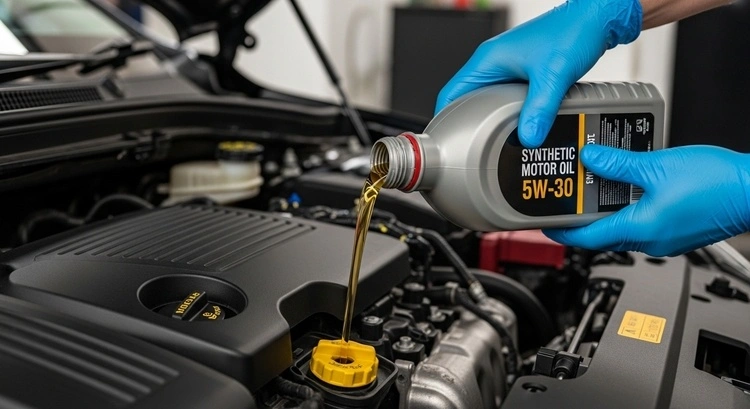
Synthetic oil is a type of motor oil that is chemically engineered rather than refined directly from crude oil. While conventional oil is processed from natural petroleum, synthetic oil is designed in a laboratory to create more uniform and stable molecules. This controlled formulation allows synthetic oil to perform more consistently under a wide range of driving conditions.
The result is an oil that flows more easily, resists breakdown, and provides reliable lubrication for modern engines. Because of these qualities, synthetic oil is commonly recommended for newer vehicles, high-performance engines, and cars driven in demanding conditions. For drivers searching for an oil change near me, choosing the right synthetic oil ensures your engine stays protected and performs efficiently.
What is synthetic oil made from?
Synthetic oil starts with base oils that are highly refined or chemically created. These base oils are then blended with advanced additives that improve performance. These additives help with:
- Reducing engine wear
- Preventing sludge and deposits
- Improving temperature stability
- Protecting against corrosion
Because the molecules are more consistent in size and shape, synthetic oil moves through the engine more efficiently than conventional oil. This consistency helps reduce friction and improve overall engine protection.
Types of Synthetic Oil
Not all synthetic oils are the same. Drivers will generally encounter two main categories:
Full Synthetic Oil
Full synthetic oil offers the highest level of performance and protection. It is designed to handle extreme temperatures, heavy loads, and longer oil change intervals. Many manufacturers specify full synthetic oil for modern engines, especially turbocharged or high-efficiency designs.
Synthetic Blend
Synthetic blend oil combines conventional oil with synthetic base oils. It offers better protection than conventional oil but does not last as long or perform as consistently as full synthetic oil. Blends are often used in vehicles that don’t require full synthetic but still benefit from added durability.
Is Synthetic Oil Better?
Synthetic oil is often considered a superior choice for many vehicles due to its advanced formulation and long-term benefits. Unlike conventional oil, synthetic oil is engineered to maintain consistent viscosity, resist breakdown, and provide optimal protection under a wide range of driving conditions.
Some of the key advantages of synthetic oil include:
- Enhanced engine protection: It flows more quickly during cold starts, reducing wear on engine components when they are most vulnerable.
- Longer oil change intervals: Synthetic oil maintains its performance for more miles, meaning fewer trips to the shop over time.
- Cleaner engines: It contains detergents and additives that minimize sludge and deposits, helping engines stay cleaner and run more efficiently.
- Better performance in extreme temperatures: Synthetic oil resists thinning in heat and thickening in cold, keeping your engine lubricated in any climate.
- Potential fuel efficiency gains: Some vehicles experience slightly improved gas mileage due to reduced engine friction.
For drivers dealing with hot weather, stop-and-go traffic, or heavy commuting, such as in Houston, synthetic oil provides more reliable protection and consistent performance compared to conventional oil. Choosing synthetic oil can help extend engine life, reduce maintenance needs, and ultimately save money over time.
How Often to Change Synthetic Oil
Knowing how often to change synthetic oil is essential for maintaining engine health. While synthetic oil lasts longer than conventional oil, it still breaks down over time and loses its ability to properly lubricate and protect your engine.
In most modern vehicles, synthetic oil typically needs to be changed every 7,500 to 10,000 miles, though some manufacturers allow intervals of up to 15,000 miles under ideal driving conditions. Factors such as driving habits, climate, vehicle type, and engine load can affect how quickly oil degrades.
Key Takeaways
- Lab-Engineered for Protection: Synthetic oil has uniform molecules that reduce engine wear and resist breakdown.
- Types Matter: Full synthetic offers maximum performance; blends provide moderate protection.
- Longer Oil Change Intervals: Lasts 7,500–10,000 miles or more, reducing maintenance frequency.
- Better Performance: Handles extreme temperatures, keeps engines cleaner, and can improve fuel efficiency.