Luxury Vehicle Storage: How to Choose the Right Facility
Imagine your luxury vehicle as a prized jewel, requiring the right setting to truly shine. When it comes to selecting a storage facility, you need to focus on essential factors like security, climate control, and overall maintenance. Not all facilities are created equal, and overlooking these details can lead to costly mistakes. So, how do you identify the perfect environment that not only protects your investment but also offers peace of mind? Let’s explore the key elements that can help you make an informed decision.

Assessing Security Features
When you’re selecting a vehicle storage facility, one of the first aspects to evaluate is the security features in place, since these directly impact the safety of your vehicle.
Begin by examining the perimeter security, which should include fencing and well-lit areas to deter unauthorized access. Look for facilities employing advanced access control systems, such as keycard entry or biometric scanning, to restrict entry to authorized personnel only.
Next, consider the surveillance systems in use. High-definition cameras positioned strategically throughout the facility are essential for monitoring activity 24/7. Ascertain that the footage is stored securely and can be accessed easily by facility management in case of incidents.

Additionally, inquire about on-site security personnel. A facility with dedicated security staff not only enhances safety but also provides immediate response capabilities in emergencies.That’s why many owners turn to trusted providers of luxury car storage in the US who specialize in offering top-tier protection and convenience.
Lastly, it’s wise to check for insurance coverage offered by the facility. Adequate insurance can provide peace of mind, securing you’re protected against potential losses.
Evaluating Climate Control
Security features are just one aspect of an all-encompassing vehicle storage strategy; evaluating climate control is equally important. When you store luxury vehicles, temperature and humidity fluctuations can lead to significant damage over time.
Ideally, you want a facility with a climate-controlled environment that maintains consistent temperature ranges, typically between 60°F and 75°F, to prevent issues like rust or paint deterioration.
Check for humidity control measures as well. A relative humidity level of 30% to 50% is ideal, as excessive moisture can foster mold and mildew growth, while too little can cause materials to dry and crack.
Inspect the facility’s ventilation systems to confirm they effectively circulate air, reducing stagnant conditions that can harbor harmful agents.
You should also inquire about the facility’s insulation standards. Well-insulated buildings help maintain stable internal climates, even during extreme external weather conditions.
Finally, consider the monitoring systems in place; facilities should have remote climate monitoring to alert staff to any fluctuations, confirming your vehicle remains in ideal conditions.
In short, evaluating climate control is critical to safeguarding your investment and preserving your vehicle’s integrity.
Understanding Insurance Options

Understanding insurance options is important for protecting your vehicle during storage. When you choose a storage facility, it’s important to evaluate the insurance coverage offered. Here are three key aspects to take into account:
- Facility Insurance: Many storage facilities provide basic insurance coverage. This generally covers damage from fire, theft, and natural disasters. However, it mightn’t fully protect your vehicle’s value, so it’s essential to understand the terms and limits of this policy.
- Your Own Insurance: Your auto insurance may extend coverage to your vehicle while it’s in storage. Contact your insurance provider to confirm if your policy includes this provision. They can also inform you about any necessary adjustments to guarantee thorough protection.
- Additional Coverage Options: If the facility’s insurance isn’t sufficient and your policy doesn’t cover storage, think about purchasing additional coverage. Specialized insurance policies for stored vehicles can address unique risks, providing peace of mind.
Location and Accessibility
In choosing a vehicle storage facility, location and accessibility play essential roles in your decision-making process. You want a facility that’s conveniently situated near your home or workplace, reducing travel time when you need to access your luxury vehicle. Consider proximity to major roads and highways; easy access can save you time and fuel costs.
Evaluate the surrounding area for safety and security. A facility located in a reputable neighborhood can provide peace of mind, as well as potential protection against theft or vandalism. Check for adequate lighting and surveillance systems, which often correlate with a facility’s overall safety.
Accessibility also includes the hours of operation. You’ll want a facility that offers flexible hours or even 24/7 access, allowing you to retrieve your vehicle when you need it. Make certain to inquire about any restrictions on access, such as advance notice requirements.
Lastly, consider the facility’s layout. Adequate space for maneuvering can prevent damage to your vehicle during pick-up or drop-off. A well-organized facility that minimizes congestion will guarantee a smoother experience overall.
Facility Cleanliness and Maintenance

When evaluating a vehicle storage facility, cleanliness and maintenance are crucial factors that shouldn’t be overlooked. A well-maintained facility not only reflects professionalism but also guarantees that your luxury vehicle is safe from potential damage caused by neglect.
Here are three critical aspects to assess:
- Interior Cleanliness: Check the condition of the storage area. Dust, dirt, or debris can harm your vehicle’s finish. Clean floors and organized spaces indicate a commitment to maintenance.
- Regular Inspections: Inquire about the facility’s maintenance schedule. Regular inspections of the building, security systems, and climate control are important. A facility that prioritizes routine checks reduces the risk of unforeseen issues affecting your vehicle.
- Pest Control: Verify that the facility has a pest control plan in place. Rodents and insects can cause significant damage to your vehicle’s interior. A clean environment minimizes these risks, protecting your investment.
Reviews and Recommendations
While evaluating a vehicle storage facility, reviews and recommendations from previous customers can offer invaluable insights into the quality of service and security provided. Pay close attention to the overall ratings, focusing on factors such as responsiveness, professionalism, and customer satisfaction.
Look for patterns in feedback—if multiple clients mention excellent security measures or attentive staff, that’s a strong indicator of reliability.
Don’t hesitate to ask for recommendations from fellow luxury vehicle owners or local automotive clubs. These individuals often have firsthand experience and can provide a list of reputable facilities. Online platforms and forums can also be useful; however, make sure you verify the authenticity of the reviews by cross-referencing multiple sources.
Furthermore, consider how management responds to negative feedback. A facility that addresses concerns promptly and professionally demonstrates a commitment to customer service and continuous improvement.
Finally, don’t overlook the importance of personal visits. Touring the facility allows you to gauge cleanliness, security infrastructure, and the staff’s demeanor.
Combining all these insights will empower you to make an informed decision, guaranteeing your luxury vehicle is stored in an environment that meets your high standards.
Storage Space and Dimensions
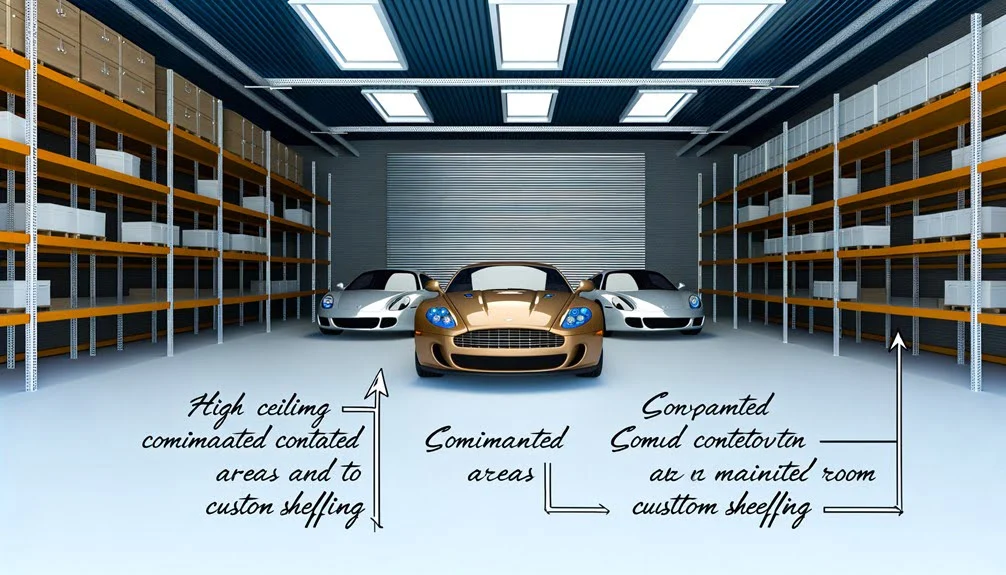
Having gathered insights from reviews and recommendations, the next critical aspect to evaluate is the storage space and dimensions offered by the facility.
Choosing the right size is essential for guaranteeing your luxury vehicle is adequately protected and accessible. Here’s what to take into account:
- Vehicle Dimensions: Measure your vehicle’s length, width, and height. Confirm the facility can accommodate these dimensions comfortably, allowing for clearance and ease of access.
- Space Configuration: Evaluate whether the storage area is designed to maximize space efficiently. Look for units that allow for maneuverability and proper positioning of vehicles to minimize the risk of damage.
- Additional Storage Needs: Reflect on if you’ll need extra space for accessories, maintenance equipment, or other vehicles. Some facilities offer customizable options that can cater to your specific requirements.
Customer Service Quality
Exceptional customer service quality can greatly enhance your experience with a vehicle storage facility. When you choose a facility, look for staff members who are knowledgeable, responsive, and attentive to your needs. The ability to communicate effectively and provide prompt assistance can make a significant difference in ensuring your vehicle is well cared for.
Evaluate the facility’s operational hours and accessibility. A facility that offers flexible access can accommodate your schedule, allowing you to retrieve or store your vehicle when it’s convenient for you.
Additionally, inquire about the staff-to-customer ratio. A lower ratio typically indicates that you’ll receive more personalized attention.
Don’t hesitate to ask for references or read reviews. This feedback can provide insight into the facility’s service quality and reliability.
A reputable facility will prioritize customer satisfaction, demonstrating a commitment to maintaining high standards.
Pricing and Payment Plans
When selecting a vehicle storage facility, understanding pricing structures and payment plans is vital to guarantee you choose an option that fits your budget.
Different facilities offer various pricing models, so it’s important to compare them carefully. Here are three key aspects to take into account:
- Monthly Fees: Most facilities charge a monthly fee based on the type of storage, location, and additional services. Make sure you inquire about any hidden fees that might inflate your costs.
- Payment Plans: Some facilities offer flexible payment plans, allowing you to pay quarterly or annually. Opting for a longer-term plan might result in discounts, so assess your storage duration before committing.
- Deposit Requirements: Facilities may require a security deposit, typically refundable upon termination of the contract, provided there’s no damage. Clarify any conditions tied to the deposit to avoid unexpected charges.
Conclusion
When it comes to choosing the right luxury vehicle storage facility, think of it as selecting a castle for your prized steed. Just as a knight seeks the strongest fortress, you should prioritize high-quality security, climate control, and exceptional customer service. By carefully evaluating these key factors, you guarantee your vehicle remains in pristine condition, safeguarded from the elements and potential threats. So, equip yourself with knowledge and choose wisely to protect your investment like royalty.