Fatal High-Speed SUV Crash in South Tulsa Leaves Two Dead, Prompting Investigations into Impaired Driving
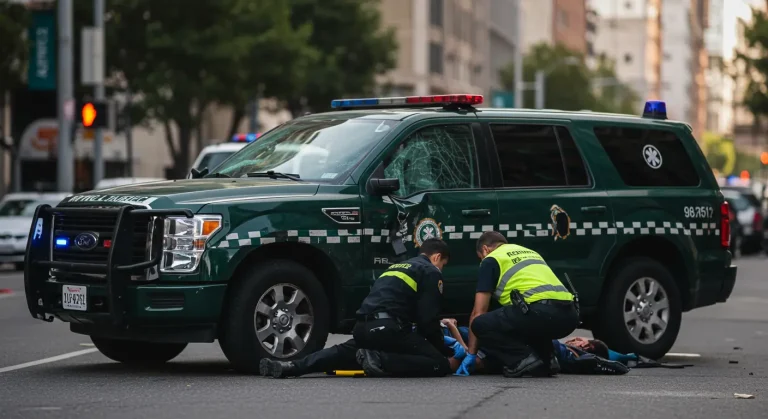
A high-speed collision involving a GMC SUV in South Tulsa tragically claimed the lives of two young adults, transforming a local thoroughfare into a scene of devastation. Forensic investigations into the crash have centered on extreme driver impairment, with the operator allegedly recording a blood alcohol content (BAC) of 0.204—more than two and a half times the legal limit and well into the threshold for Aggravated DUI under Oklahoma law.
This incident serves as a harrowing case study on the catastrophic intersection of excessive speed and severely impaired judgment. Beyond the immediate loss, it underscores the complexities of legal accountability and the high stakes of pursuing justice for the families left behind in the wake of preventable road violence.
A Preventable Tragedy: Deconstructing the 61st and Peoria Crash
The collision at 61st and Peoria stands as a sobering case study in the lethal intersection of extreme speed and severe alcohol impairment. Official reports and witness accounts from the Tulsa Police Department (TPD) provide a clear, harrowing reconstruction of the events that led to the loss of two young lives.
The Incident Unfolds: Speed, Impact, and Immediate Aftermath
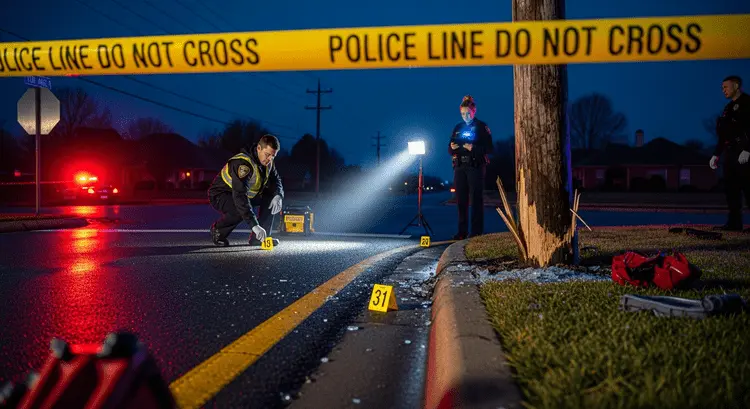
The single-vehicle crash occurred at approximately 12:30 a.m. near the intersection of 61st Street and South Peoria Avenue. A TPD officer witnessed a red GMC SUV traveling at an estimated 100 mph—more than double the posted speed limit—while attempting to overtake other vehicles.
As the driver lost control, the SUV rolled violently before striking a telephone pole. The force of the impact resulted in the immediate deaths of two passengers: Derrion Smith, 21, and Kaylin Cardwell, 27. Investigators confirmed that none of the vehicle’s three occupants were wearing seatbelts, a factor that significantly increased the severity of the injuries sustained during the rollover.
Investigating the Cause: Impairment and Recklessness
The driver, identified as Shy’Mien Hall, was arrested and subsequently charged with two counts of First-Degree Manslaughter (rather than second-degree murder) following a specialized investigation into her level of impairment. A search warrant for medical records revealed a blood alcohol content (BAC) of 0.204%.
Under Oklahoma’s Erin Swezey Act, a BAC of 0.15% or higher is classified as Aggravated DUI, reflecting a level of intoxication more than 2.5 times the legal limit. This extreme impairment, combined with the 100 mph speed recorded by the vehicle’s Electronic Data Recorder (EDR), underscores the “reckless disregard” central to the prosecution’s case.
Navigating the Aftermath: Criminal Charges vs. Civil Justice
Following a fatal crash caused by negligence, two parallel legal systems are activated to address the wrongdoing. One path seeks to punish the offender through the criminal courts, while the other provides a mechanism for the victims’ families to seek financial compensation through the civil courts.
The Criminal Case: Pursuing First-Degree Manslaughter
In this specific case, the state of Oklahoma is prosecuting the driver on two counts of First-Degree Manslaughter. While the initial investigation into a 100 mph crash with a 0.204% BAC often raises questions of “depraved mind” conduct, DUI-related fatalities in Oklahoma are typically charged under the “misdemeanor-manslaughter” rule.
Because the deaths occurred during the commission of a DUI (a misdemeanor for first-time offenders), the charge is elevated to a first-degree felony. This remains a severe criminal path, carrying a potential sentence of four years to life in prison.
The Path to Civil Accountability: Wrongful Death Claims
Separate from the criminal proceedings, the victims’ families have the right to file a civil lawsuit for wrongful death under Oklahoma Statute 12 O.S. § 1053. This legal action is not about jail time; it is about holding the defendant—and potentially any establishment that overserved them—financially accountable for the immense losses caused by their negligence.
This process is not considered “double jeopardy” because it addresses a different form of justice: compensating the family for funeral costs, loss of future income, and emotional suffering.
| Monetary damages were awarded to the family. | Criminal Case (State vs. Defendant) | Civil Case (Victims’ Family vs. Defendant) |
|---|---|---|
| Purpose | To punish the wrongdoer and deter future crime. | To compensate the victims’ family for their losses. |
| Who Files? | The government (prosecutor/district attorney). | The family or estate of the deceased person. |
| Burden of Proof | “Beyond a reasonable doubt” (a very high standard). | “Preponderance of the evidence” (more likely than not). |
| Outcome | Jail time, fines, probation, or other penalties. | Monetary damages awarded to the family. |
| Control | The prosecutor controls the case. | The family and their attorney control the case. |
Finding a Path Forward: Securing Legal Support After a Fatal Crash
The aftermath of a fatal accident is an emotionally and financially overwhelming time for any family. They are suddenly faced with funeral expenses, medical bills, the loss of a loved one’s income, and profound grief. The societal harm from such crashes is immense, with fatal incidents in Oklahoma contributing to billions in economic and quality-of-life costs. Navigating this landscape while dealing with insurance companies and legal complexities is nearly impossible without expert guidance.
Why Experienced Legal Counsel Matters for Tulsa Families
For families grappling with such a devastating loss, choosing the right legal representation is one of the most critical decisions they will make. Identifying the right car accident lawyer in Tulsa means finding a firm that is as dedicated to your family’s emotional recovery as they are to the technical complexities of Oklahoma’s litigation process.
Firms like Richardson Richardson Boudreaux have built a reputation over decades for championing the rights of families affected by catastrophic and fatal accidents. Their team focuses on handling the intricate legal burdens so that families can focus on healing. This includes conducting an independent investigation into the crash, preserving crucial evidence (such as the vehicle’s Electronic Data Recorder), and engaging experts to calculate the full scope of damages.
These damages often include not just tangible costs like medical and funeral expenses, but also intangible losses such as loss of companionship, mental anguish, and the future financial support the victim would have provided. With a proven track record of securing significant results—including multimillion-dollar verdicts—Richardson Richardson Boudreaux demonstrates the difference that experienced, client-focused advocacy can make. They work to ensure that insurance companies and negligent parties are held fully accountable.
5 Critical Steps for Families After a Negligent Fatal Accident
- Obtain the Official Crash Report: In Oklahoma, official reports are now centralized through the Service Oklahoma portal. This document contains essential details about the crash and the initial findings of law enforcement.
- Decline to Speak with the At-Fault Party’s Insurer: Insurance adjusters may try to record statements to minimize their company’s liability. In cases of Aggravated DUI (BAC over 0.15%), they may also try to settle quickly to avoid paying punitive damages. All communications should be handled by an attorney.
- Preserve All Physical Evidence: Ensure the vehicle involved is not destroyed or sold for scrap. An attorney can send a Spoliation Letter to ensure the “Black Box” data is preserved for the reconstruction of speeds and braking.
- Avoid Discussing the Case on Social Media: Public posts, even those expressing grief, can be taken out of context by defense AI tools and used to minimize the family’s claim for emotional distress.
- Consult a Wrongful Death Attorney Immediately: Under 12 O.S. § 1053, Oklahoma has a strict two-year statute of limitations from the date of death to file a civil lawsuit. Prompt legal counsel is vital to protect the family’s rights and identify third parties, such as bars, that may be liable under Dram Shop laws.
A Grievous Lesson on the Real-World Impact of Intoxicated Driving
The tragic crash at 61st and Peoria is more than a news story; it is a stark reminder of the irreversible damage caused by a single, reckless decision to drive while impaired. While the criminal justice system seeks to punish the driver through First-Degree Manslaughter charges, the civil justice system offers a crucial, parallel path for the victims’ families to seek accountability and financial stability.
Holding negligent drivers responsible on both fronts sends a powerful message and is a critical step in making Tulsa’s roadways safer for everyone. Ultimately, the pursuit of justice is the only meaningful response to such a senseless loss.