Durable Diesel Engines in Fleet Operations
Managing a fleet involves many moving parts and constant pressure. The engine serves as the heart of every vehicle in the line. Reliability helps companies maintain a strong reputation with their customers.
Selecting the right power plant makes a massive difference in long-term success. A focus on durability helps keep trucks on the road longer. This approach protects the bottom line from unexpected repair costs.
The Role Of Heavy Duty Engines
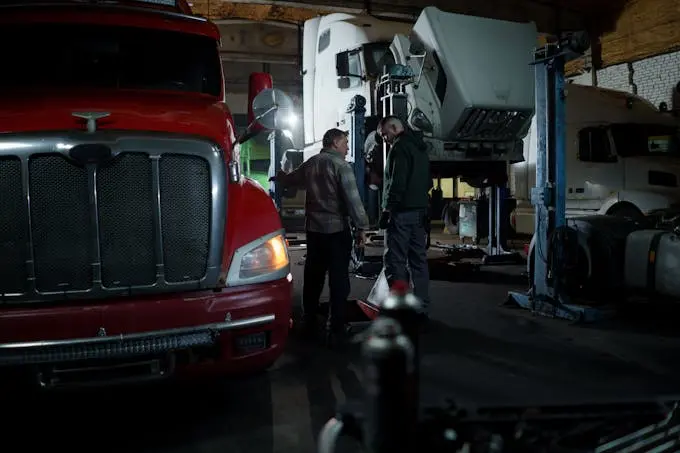
Heavy-duty engines provide the torque needed for pulling massive loads across long distances. Machines are built to withstand heat and friction for thousands of hours of operation. They form the backbone of the shipping and construction industries.
Operators rely on these units to maintain schedules and meet delivery deadlines. Without a tough engine, the entire supply chain starts to break down quickly. Consistent performance is what keeps a business competitive in a crowded market.
Reliability is the most valued trait in any commercial engine purchase. Fleet owners look for models with a track record of minimal downtime. A solid engine choice reduces the stress on the entire maintenance team.
Understanding Lifecycle Management
A lifecycle approach looks at the total cost of owning an engine from purchase to scrap. Durable designs often cost more upfront, but save money on major repairs later. The perspective helps managers make better long-term investment choices.
Longer life cycles mean fewer replacements and more time generating revenue. The strategy requires a commitment to high-quality parts and regular checks. It is better to spend a little more now than a lot more when a truck breaks down.
Preventative care stops small issues from turning into catastrophic failures. Keeping a strict schedule helps extend the useful life of any diesel block. Routine inspections are the best way to catch wear before it stops a vehicle.
Legacy Power Plants In Action
Older engine designs set the standard for what a workhorse should be. People often study the Cummins 8.3 history to understand how simple mechanical systems lasted so long. Units were famous for their ability to handle abuse without quitting on the job.
Simplicity was a major factor in the success of the early models. They lacked the complex electronics that sometimes plague modern equivalents. Mechanics find them easier to work on without needing specialized computer tools.
Many of the blocks are still in service today in various industrial applications. Their reputation for toughness remains a benchmark for engineers today. They prove that a good design can stay relevant for decades.
The Impact Of Fuel Quality
The type of fuel used has a direct effect on the health of fuel injectors and pumps. Clean, high-quality diesel prevents the buildup of deposits that cause clogs. Poor fuel is one of the fastest ways to ruin a good engine.
Dirty fuel leads to poor combustion and increased wear on internal components. It can damage sensitive after-treatment systems in newer trucks as well. Regular filter changes are a necessary part of a fuel management plan.
Implementing a fuel testing program helps identify issues before they cause damage. Keeping storage tanks clean is a simple way to protect a major investment. It is a small step that yields big results in engine health.
Long-Term Savings And Performance
Investing in a proven platform leads to significant financial benefits over many years of service. A report from a school transportation publication noted that a well-cared-for Cummins engine can often reach 350,000 to 500,000 miles. This level of performance is a goal for any fleet manager.
The longevity reduces the need for frequent fleet turnover. It allows managers to allocate funds toward other areas of the business, like driver safety. Keeping a truck for an extra year or two adds up to massive savings.
Durability is not just about miles but about consistency. An engine that runs predictably helps with budgeting and resource planning. Knowing your costs ahead of time is a huge advantage in logistics.
Navigating Modern Reliability Issues
Modern engines face new pressures from strict emissions standards and advanced electronics. One industry magazine mentioned that some fleet managers see a 20% out-of-service rate for their newer heavy trucks. The statistic shows the difficulty of balancing power with new regulations.
High rates of downtime can disrupt operations and frustrate drivers who want to be on the road. It highlights the gap between older mechanical units and high-tech replacements. Finding a balance is a key part of keeping a fleet running smoothly.
Balancing clean air requirements with mechanical reliability is a constant challenge for manufacturers. Engineers are working hard to close this gap in newer models as technology matures. Staying patient with changes is part of modern fleet management.
Advanced Maintenance Solutions
New technology helps extend the life of older engines through innovative repair techniques. An article in a power industry journal highlighted how repair sleeves can return cylinder bores to like-new performance without a full overhaul. This method is a great way to save a perfectly good block.
The method saves time and money compared to replacing the entire engine block. It provides a way to keep older, reliable units in service for longer periods. Fleet owners find some options very attractive for their aging assets.
Salvaging a block is often more sustainable than manufacturing a new one from scratch. Specialized repairs are becoming more common in heavy-duty shops. They offer a second life to engines that still have a lot to give.
- Frequent oil analysis
- Coolant system flushes
- Air filter monitoring
Operator Habits And Engine Wear
The person behind the wheel has a huge influence on how long an engine lasts. Gentle acceleration and proper warm-up cycles reduce stress on the metal parts. Drivers who care for their equipment help the company save on repairs.
Excessive idling is a major contributor to engine wear and carbon buildup. Training drivers to minimize idle time protects the engine and saves fuel. It is a habit that pays off every single day.
Monitoring telematics data allows managers to coach drivers on better habits. Small changes in driving style add up to extra years of service for the vehicle. Data gives a clear picture of how equipment is being treated.
- Monitor idle times
- Track fuel consumption
- Review hard braking events
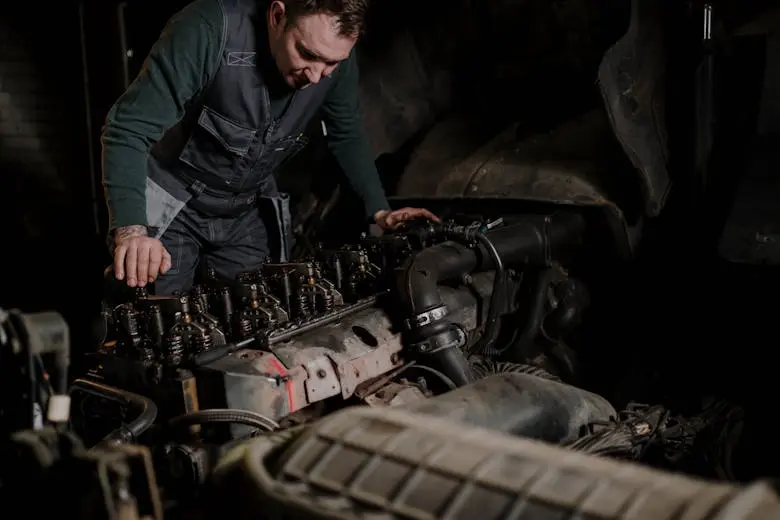
Durable engines are the foundation of a successful fleet operation. Making smart choices about hardware and maintenance pays off in the long run. Every mile driven represents progress toward a business goal.
The goal is always to keep vehicles moving with as little trouble as possible. Staying informed about engine history and new tech leads to better results. A strong engine is a partner in every delivery.