Why the BMW M3 Stands Out in Performance Cars – All You Need to Know
When it comes to cars that perfectly blend everyday usability with jaw-dropping performance, the BMW M3 consistently earns a spot at the top of the list. It’s not just a car—it’s a legacy, a benchmark, and for many driving enthusiasts, it’s a dream on four wheels. Whether you’re cruising to work on a Monday morning or tearing up winding canyon roads on the weekend, the BMW M3 makes sure you don’t have to choose between comfort and thrill.
But what exactly makes this sports sedan so special? Why do people talk about it with such passion, and why does it keep dominating conversations around performance cars? To answer these questions, let’s dive into the history, technology, driving experience, and modern updates that make the M3 stand out. Along the way, I’ll share stories, relatable examples, and even step-by-step pointers if you’re considering making this car your own.
The Legacy of the BMW M3
Back in the late 1980s, BMW launched the E30 M3, a boxy little sedan that would go on to change motorsport and street driving forever. It wasn’t the most powerful car on paper, but it had the kind of agility that left competitors struggling to keep up. That DNA—balanced handling, sharp steering, and just the right amount of power—still defines the M3 today.
A friend of mine once said, “You don’t buy an M3 just to own a car. You buy it to join a story.” That’s a fair description. Generations later, whether it’s the iconic E46 M3 or the modern G80, the M3 continues to inspire drivers who want more than just transportation.
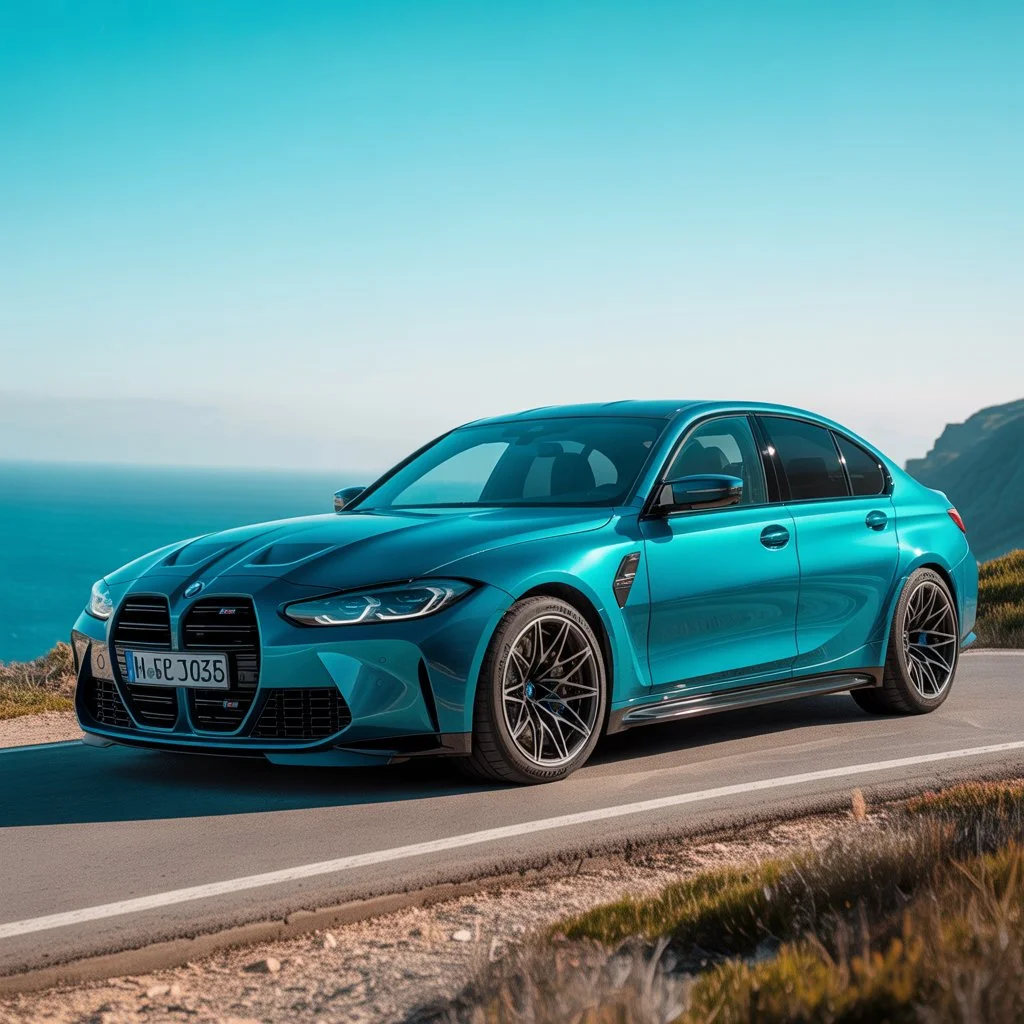
If you’ve ever stood in front of one, especially in bold colors like Dakar Yellow or Isle of Man Green, you’ll know what I mean—it’s not just a machine, it’s a statement.
Performance That Speaks for Itself
Under the hood of the latest 2025 BMW M3, you’ll find a twin-turbocharged 3.0-liter inline-six that delivers 473 horsepower in the standard version. If that’s not enough, the M3 Competition bumps that number up to 503 horsepower, and the M3 Competition xDrive takes it further to 523. That’s serious power—enough to sprint from 0–60 mph in just 2.8 seconds when equipped with all-wheel drive.
For comparison, that’s quicker than many so-called supercars that cost double the price. But here’s the kicker: the BMW M3 doesn’t force you to live with stiff, uncomfortable rides just for the sake of speed. It gives you both—track-ready performance and everyday comfort.
Think about it this way: imagine going from a morning commute to dropping your kids at school, then later hitting the track for some spirited laps—all in the same car. That’s what the M3 does.
Why the Manual Still Matters
One of the biggest talking points is the fact that the standard M3 still comes with a six-speed manual transmission. In today’s world, where many performance cars are ditching the stick shift for faster automatics, BMW kept the tradition alive. And that decision matters—a lot.
Here’s a quick anecdote: I met a fellow enthusiast at a track day who proudly said, “I didn’t just buy an M3, I bought the last manual hero car of our time.” He wasn’t exaggerating. The manual M3 may not be the absolute fastest version, but it’s the one that makes you feel most connected to the drive. Every gear change, every rev, becomes part of the experience.
So if you’re the type of driver who loves being part of the process—not just pressing a pedal and letting electronics do the work—the manual M3 will speak directly to your heart.
Exterior Styling and Road Presence
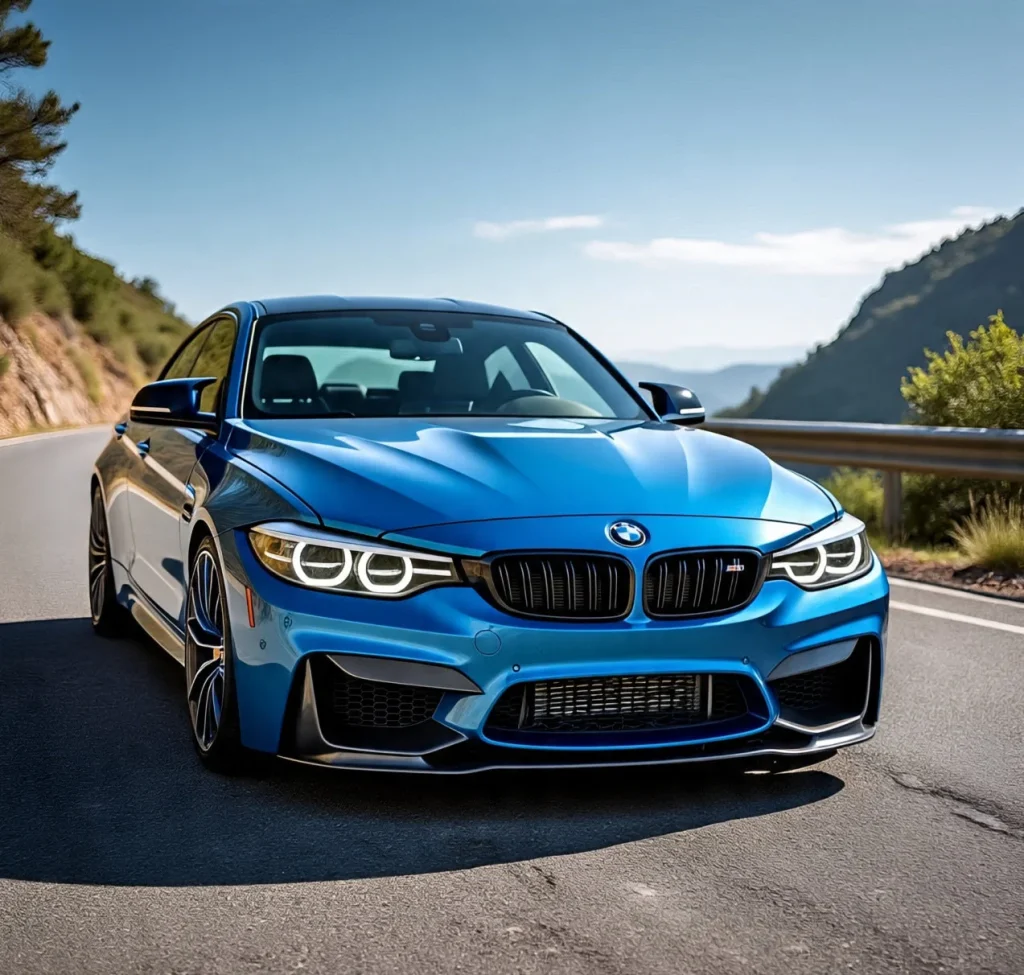
Let’s talk about looks. The BMW M3 hasn’t been without controversy, especially with its large vertical kidney grille. When it was first revealed, the internet had a field day with memes and criticism. But over time, the design has grown on many enthusiasts.
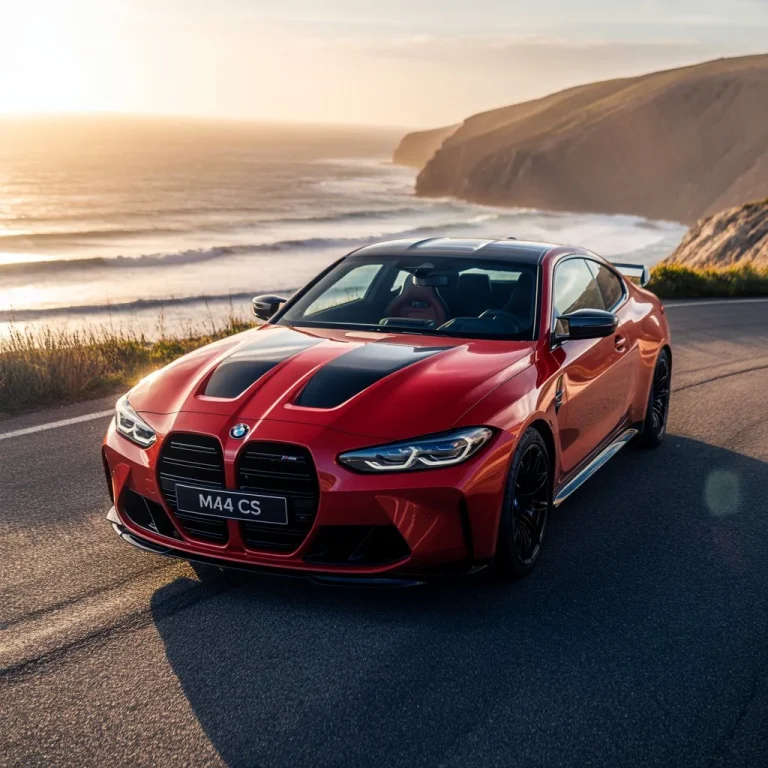
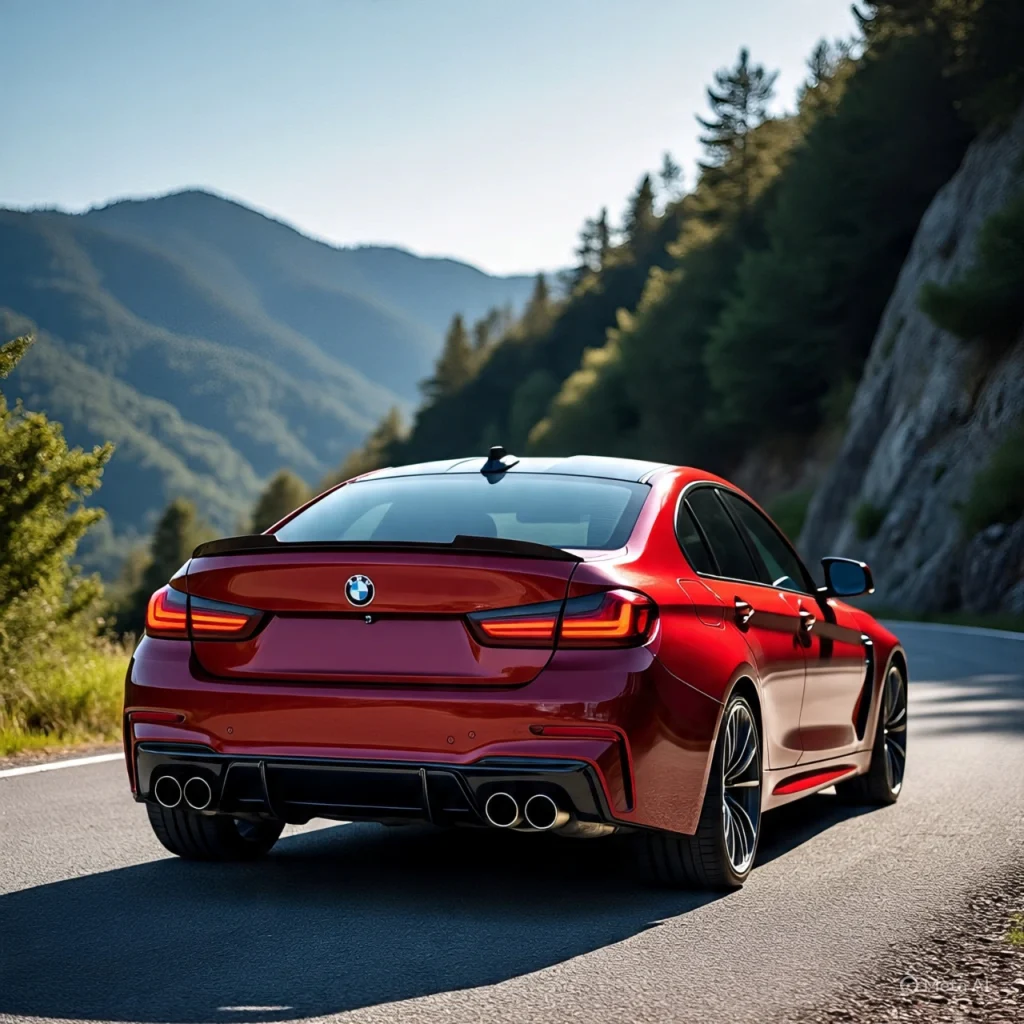
What really makes the M3 stand out is its muscular stance. The flared fenders, aggressive bumper design, and sharp LED headlights make it clear that this isn’t just another sedan. In colors like Dakar Yellow II, the M3 looks like it belongs on a touring car race track.
If you pull up in an M3, it commands attention. And let’s be honest, half the fun of owning a performance car is that people notice it.
Interior: Where Comfort Meets Sportiness
Step inside the cabin, and you’ll find a mix of luxury and motorsport-inspired design. The curved digital display, equipped with BMW’s latest iDrive 8.5, feels futuristic yet functional. You get a 12.3-inch digital gauge cluster paired with a 14.9-inch central touchscreen. Everything is seamless, with Apple CarPlay and Android Auto included as standard—no subscription required.
But here’s the part I love: the M bucket seats. They hug you in all the right places, providing the support you need during spirited driving while still being comfortable enough for road trips. Unlike some rivals, the M3 doesn’t sacrifice daily usability for performance.
Practical touches like a spacious trunk and usable rear seats remind you that this is still a sedan you can live with. You can pick up groceries in it, drive your family around, and then, with a quick mode change, blast down a twisty road with a grin on your face.
Step-by-Step Guide: Should You Buy a BMW M3?
If you’re thinking about getting one, here’s a simple breakdown to help you decide:
- Know Your Driving Style
- Love being hands-on? Get the manual M3.
- Prefer maximum power and convenience? Go for the M3 Competition xDrive.
- Set Your Budget
- The base M3 starts around $77,000.
- Fully loaded versions can climb above $86,000. Factor in extras like the M Driver’s Package for more fun.
- Test Drive Both Versions
- Automatics are faster, but manuals are more engaging. Drive both and trust your gut.
- Think About Daily Use
- Need all-weather traction? The xDrive is your friend.
- Live in a warm climate with great roads? Stick with rear-wheel drive for pure fun.
- Don’t Forget Resale Value
- The M3 holds its value well, thanks to its reputation. Leasing can also be a smart move with offers like BMW’s lease deals.
By following these steps, you’ll avoid buyer’s remorse and pick the M3 that truly fits your lifestyle.
The Evolution of Engineering Excellence
When we look at the BMW M3, it’s impossible not to admire how each generation has brought something new to the table while holding on to the qualities that made it special in the first place. Think of it like your favorite recipe—one that gets tweaked over time, but still keeps that familiar taste you love.
Back in the 1980s, the E30 M3 won over drivers with its boxy look and precise handling. Fast forward to today, and you have the 2025 BMW M3, which blends cutting-edge turbocharged performance, all-wheel drive options, and sleek digital displays while still giving drivers the raw thrill they crave. It’s like upgrading from vinyl records to streaming—modern convenience without losing the magic of the music.
Why the M3 Still Beats Its Rivals
It’s no secret that cars like the Mercedes-AMG C63 or the Alfa Romeo Giulia Quadrifoglio are strong competitors. But the M3 stands out because it doesn’t force you to choose between power and practicality.
- The C63 brings brute force but sometimes sacrifices comfort.
- The Giulia Quadrifoglio delivers passion but struggles with long-term dependability.
- The M3, on the other hand, combines daily usability, track-ready handling, and strong resale value, making it the smarter choice for enthusiasts who want it all.
Here’s a simple step-by-step guide to see why the M3 edges ahead:
- Check your lifestyle needs – Do you need four doors, a decent trunk, and reliability? The M3 covers these.
- Look at performance – With up to 503 horsepower, the M3 doesn’t just match rivals; it often outshines them.
- Consider technology – BMW’s iDrive 8.5 system with its curved display feels futuristic, while many rivals lag behind.
- Think about long-term value – Higher resale value means you lose less money down the road compared to some competitors.
Stories from the Driver’s Seat
One M3 owner once described his experience like this: “I drove my kids to school in the morning, then hit a track day by afternoon without changing a thing on the car. It’s like having a family sedan that moonlights as a race car.”
That’s what makes the BMW M3 unique—it adapts to your life rather than forcing you to adapt to it.
Read real driver stories and you’ll find countless anecdotes of people who use the M3 as both a practical commuter and a weekend thrill machine.
Practical Comfort Without Compromise
Despite its reputation for speed, the M3 doesn’t forget about everyday needs. Spacious rear seating, a decent trunk, and modern safety features mean it fits perfectly into daily life. Many owners are surprised by how quiet and refined it feels when cruising.
For example, the 2025 M3 features sport seats with adjustable bolsters. That means you can enjoy maximum grip when pushing hard through corners but still relax in comfort on long road trips. It’s the kind of detail that makes a car stand out in real-world driving.
Check out the official BMW comfort features to see how practicality meets performance.
Why Now Is the Best Time to Buy
With lease offers like $1,119/month for 36 months (with $6,559 due at signing), the 2025 BMW M3 has become more accessible than ever. For a car of this pedigree, the deal is compelling, especially since residual values for M cars are historically strong. This means lower depreciation, giving you more value in the long run.
If you’ve been waiting for the right moment, now might be it. See current BMW offers for details on how you can get behind the wheel.
Final Thoughts
The BMW M3 isn’t just a car—it’s a statement. It tells the world you value performance, precision engineering, and luxury without losing sight of real-world usability. Whether you’re chasing speed, needing a family car, or simply wanting a vehicle that brings joy every time you turn the key, the M3 delivers.
So, if you’ve been on the fence, ask yourself: Do you want a car that only excels in one area, or one that truly does it all?
For four decades, the BMW M3 has proven it belongs in the second category. And with the 2025 model, it continues to set the standard for what a performance sedan should be.
Read More: BMW i8 – All You Need to Know